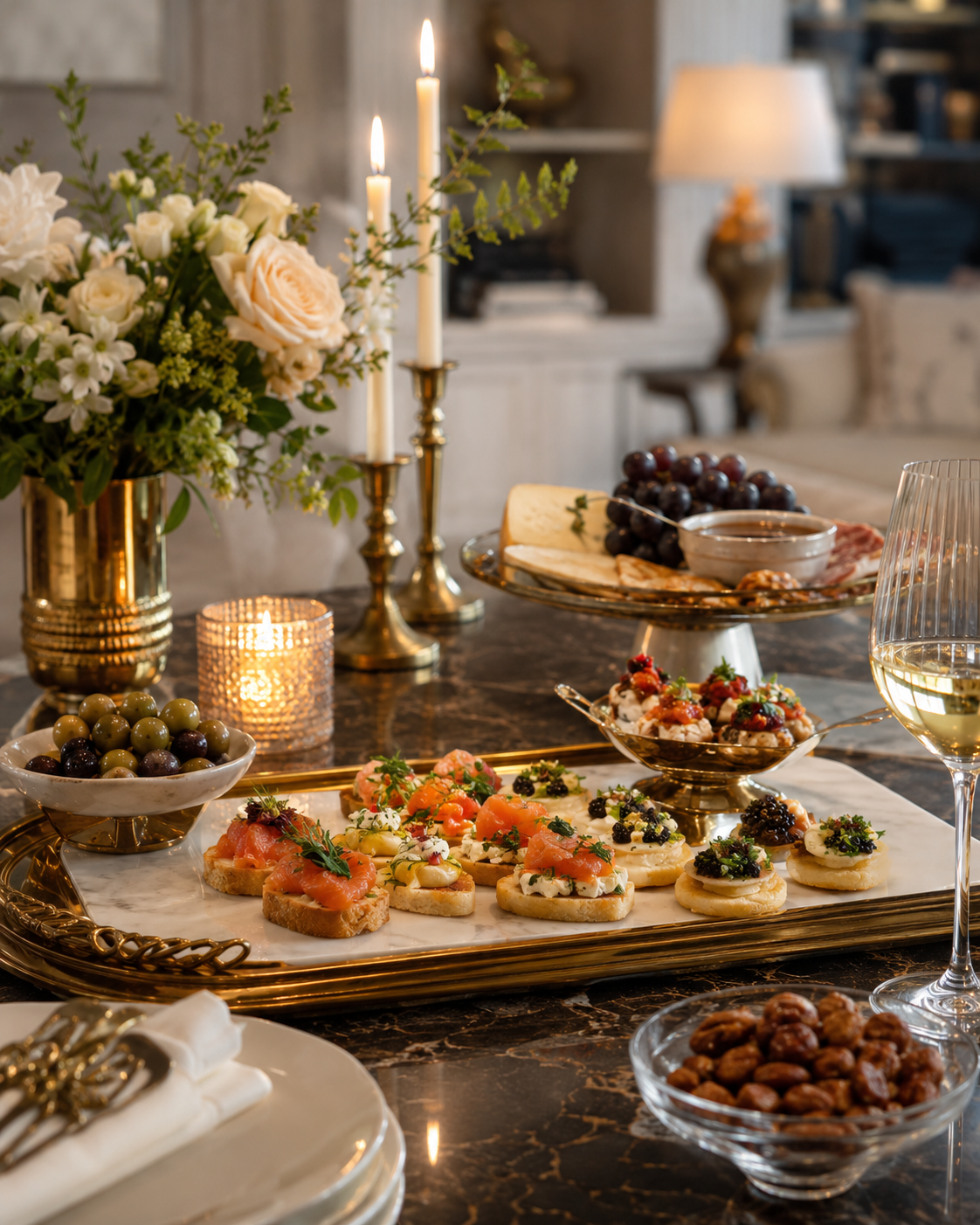
Serving appetizers does not need to be complicated. In fact, some of the nicest gatherings are the ones where the food feels generous, easy to reach, and thoughtfully arranged without looking as though the hostess spent the entire day preparing it.
Over the years, I have found that a few simple rules make appetizers much easier to serve—and much more enjoyable for everyone, including the person hosting.
Start With Something Ready When Guests Arrive
Whenever possible, have at least one appetizer completely ready before the first guest walks through the door. People naturally feel more comfortable when there is something to nibble on while everyone arrives and settles in.
It does not have to be elaborate. A beautiful bowl of nuts, a cheese and cracker arrangement, a dip, or a simple platter can be more than enough to get things started.
Put Appetizers Where People Naturally Gather
Do not feel as though every appetizer has to live on one formal buffet table. I actually prefer placing food in a few areas where guests naturally gather.
A small appetizer on the kitchen island, another near the drinks, and perhaps a bowl of nuts or something easy to pick up in the family room encourages people to move around and makes the gathering feel more relaxed.
Give People Somewhere to Put Their Plate
This sounds obvious, but it is one of those little things that makes a tremendous difference.
If guests are going to be standing and talking while eating appetizers, make sure there are cocktail napkins and small plates within easy reach. If forks, spoons, or toothpicks are needed, place them right next to the food rather than making people search for them.
I also like having a few small tables or clear surfaces available so guests are not trying to balance a plate and a drink while having a conversation.
Serve Food That Is Easy to Eat
For cocktail-style entertaining, I try to avoid anything that requires too much work from the guest.
Appetizers should generally be easy to pick up, dip, spear with a small fork, or eat in just a few bites. If something is particularly messy, difficult to cut, or likely to drip down someone’s clothing, it may be better saved for a seated meal.
Mix Something Warm With Something Fresh
You do not need six complicated appetizers.
A warm dip or baked appetizer paired with something fresh and simple can feel abundant without creating an enormous amount of work.
For example, you might serve a warm spinach-artichoke dip along with a beautiful vegetable platter, cheese and crackers, or fresh fruit. The combination gives guests choices without requiring you to prepare everything from scratch.
Keep Hot Food Hot and Cold Food Cold
This is especially important when people will be grazing for a while.
Use warming dishes, a slow cooker, or small batches for hot appetizers rather than allowing food to sit out indefinitely. Cold foods can be replenished from the refrigerator as needed.
I would much rather put out a smaller amount and refill it than leave an enormous platter sitting out for hours.
Do Not Put Everything Out at Once
There is no rule saying every appetizer has to appear the moment the doorbell rings.
I often like to begin with a few things and bring another appetizer out a little later. It keeps the table looking fresh and gives guests something new to discover as the gathering continues.
It also means you are not trying to find space for ten dishes at the same time.
Make Drinks Easy to Find
Guests should not have to ask you every five minutes where to find water or another drink.
Create an obvious drink area with water, glasses or cups, and whatever else you are serving. For larger gatherings, a self-serve drink station can make entertaining considerably easier.
The more guests can comfortably help themselves, the more time you have to actually enjoy them.
Always Have More Napkins Than You Think You Need
This may be one of the simplest entertaining rules of all.
Put cocktail napkins everywhere you are serving food and drinks. Guests should never have to hunt for one.
And when in doubt, put out more.
Remember That You Are Part of the Gathering
This may be the most important rule.
The goal is not to create such an elaborate appetizer spread that you spend the entire evening standing over the stove while everyone else enjoys themselves.
Prepare as much as possible ahead of time. Choose foods that can wait for guests if someone arrives late. Use beautiful serving pieces, light the candles, put on the music—and then join your guests.
People may admire what you served, but what they will remember most is how they felt in your home.
That is really what elevated entertaining is about.
Not perfection.
Not complicated recipes.
Just thoughtful preparation, good food, and making the people who walk through your door feel genuinely welcome.
“The simple daily rituals that fill our home with warmth, light, fragrance, and lasting memories.”
Every Morning Begins with Ambiance
I don’t know about you, but I love rising early. I love the quiet. I love savoring a cappuccino, doing a daily devotional and beginning my day before the rest of the house is awake. Another thing that I love, and has become a morning ritual for me, is to spend a few minutes preparing our home for the day.
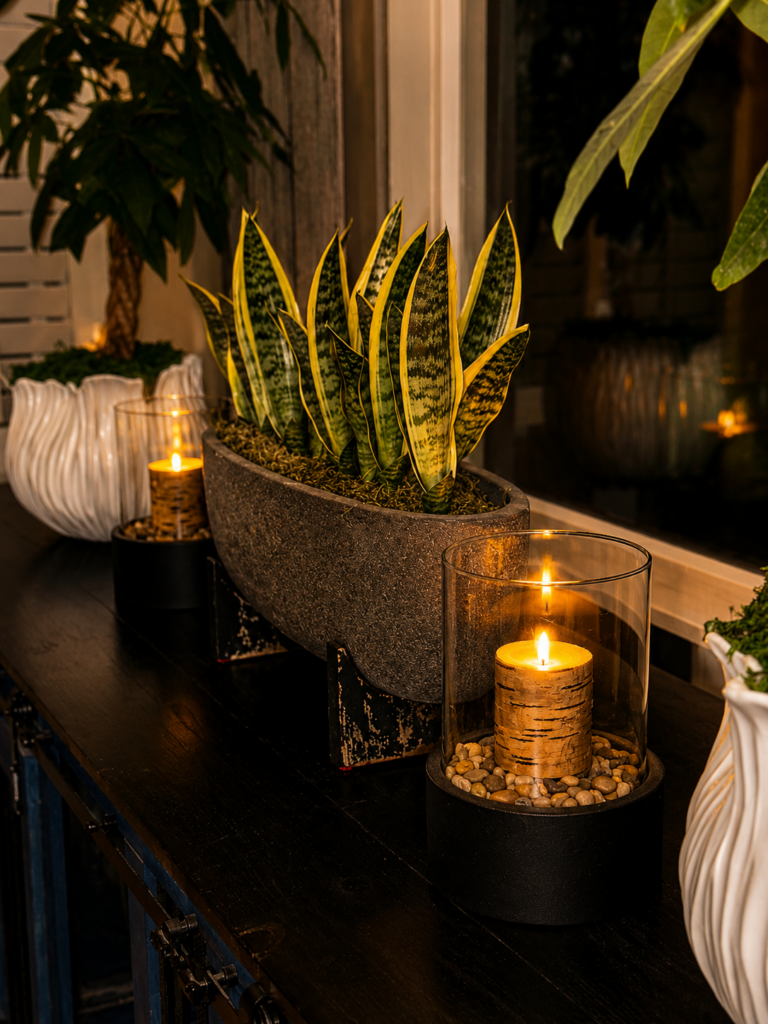
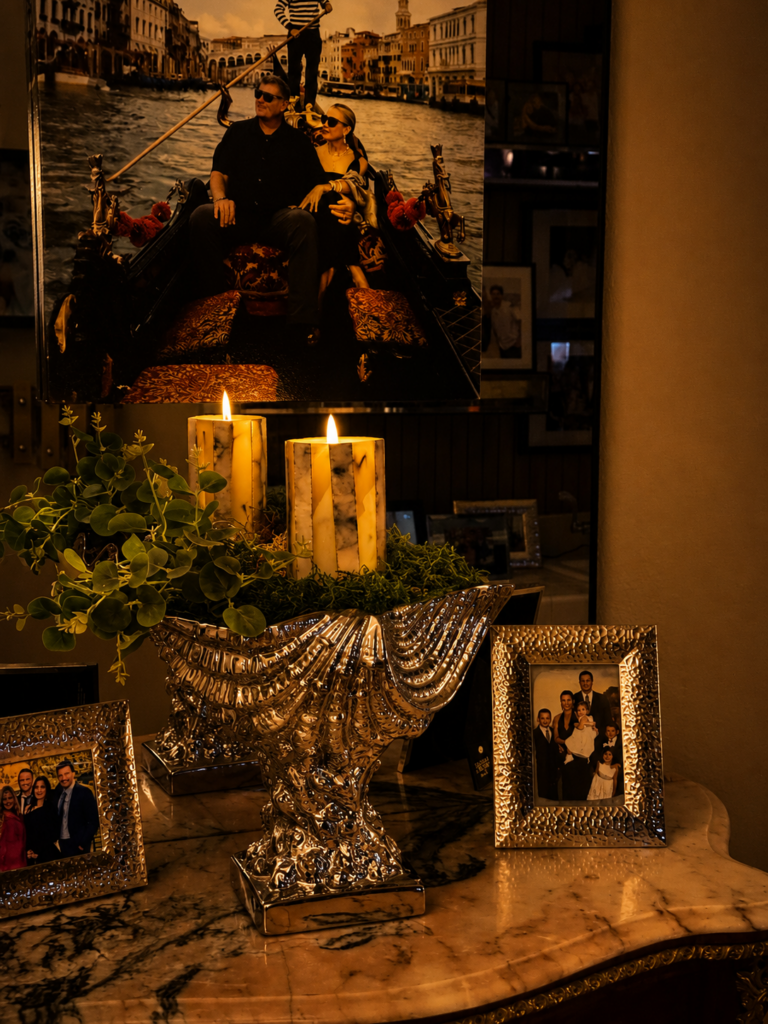
The first thing I do when I come downstairs in the morning is turn on the hallway lamps, followed by the remote flameless candles placed throughout the house. Next, I switch on a few small accent lights in the kitchen and then light a single scented candle. Within minutes, the atmosphere changes completely.
The house feels warm, peaceful, and welcoming before anyone else begins their day.
Over the years, this simple morning ritual has become much more than a decorating habit. The familiar glow of soft lighting, the comforting fragrance throughout our home, and the quiet moments before the day begins have created memories my family still associates with home.
Creating ambiance doesn’t require a major renovation or an unlimited decorating budget. Often, it’s the smallest daily rituals that make a house feel truly lived in and loved.
✨ Click on the image/arrow below and watch me turn the ambiance on in my home.
✨ Caroline’s Tip
“Spend a little time in the morning to prepare your home, your family, and you for a great day. It helps to get your day started off on the right foot”.
Creating Ambiance One Layer at a Time
When people think about creating a cozy and inviting home, they often imagine an expensive remodel or buying all new furniture. In reality, some of the biggest changes come from the smallest details.
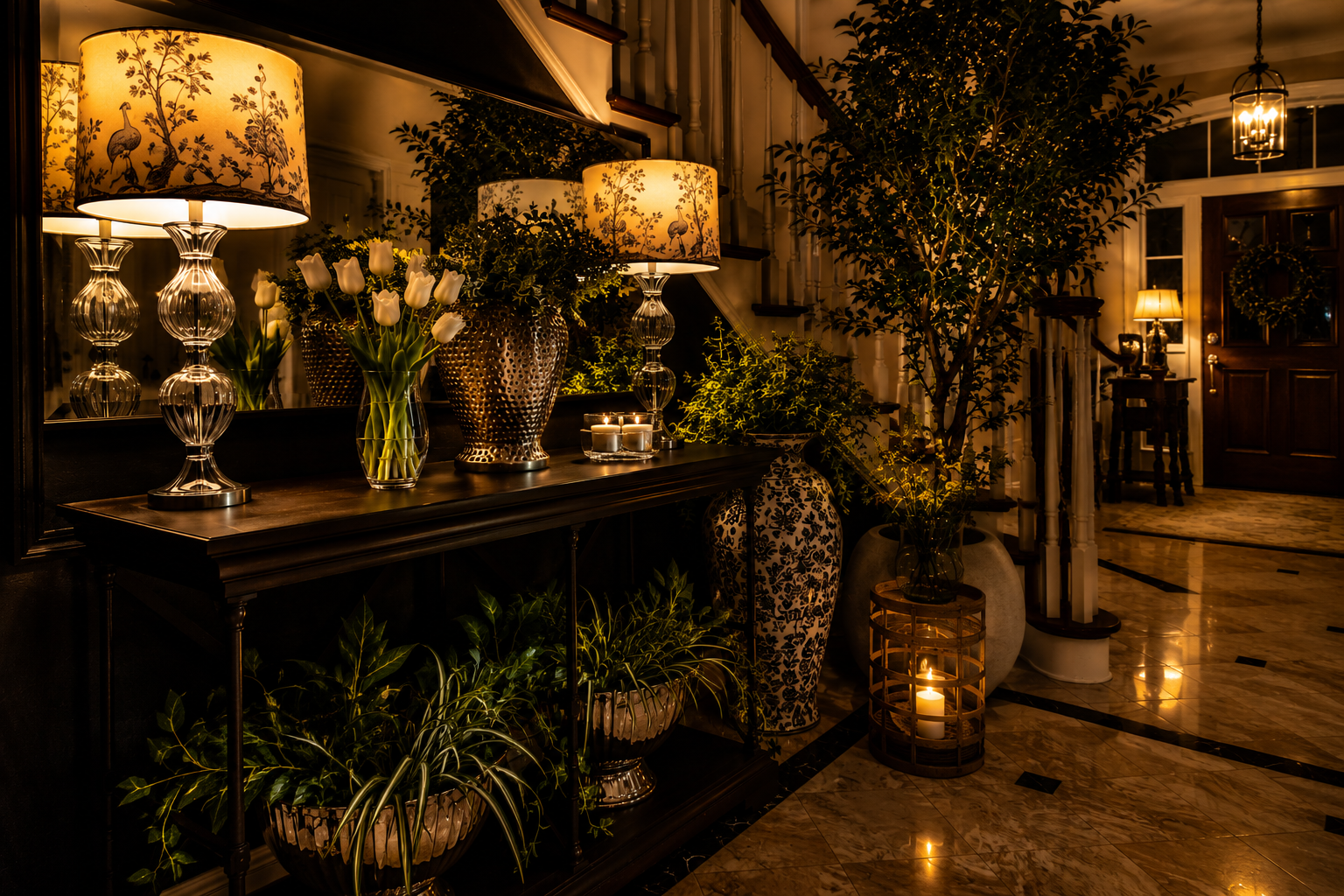
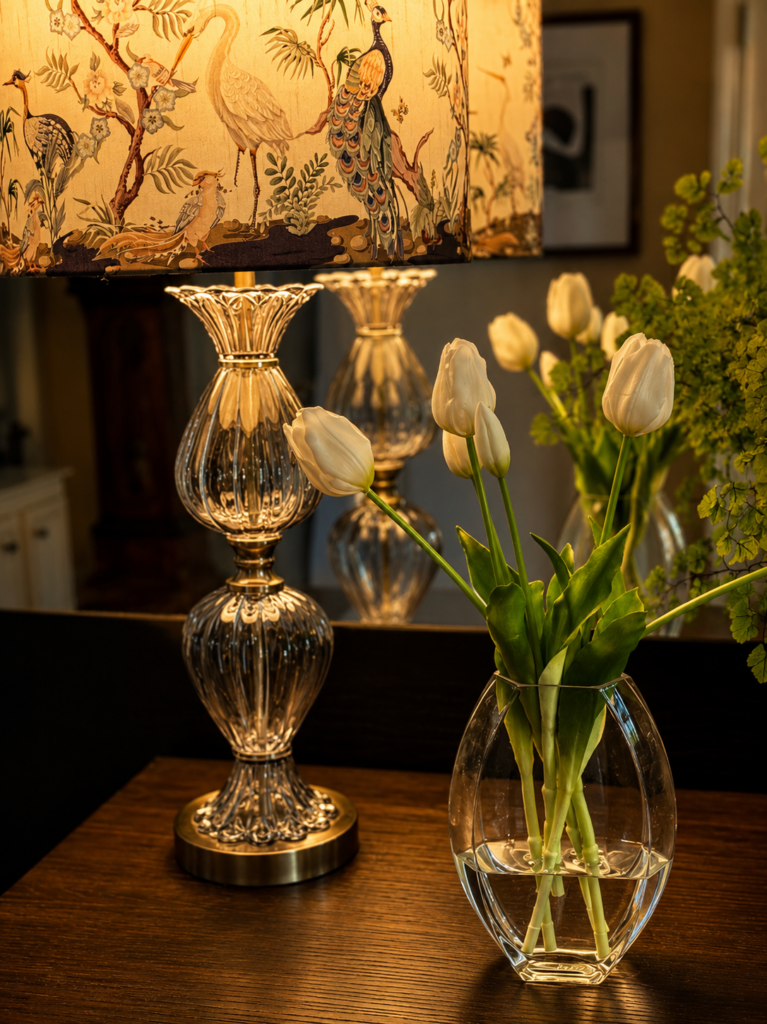
Every morning, I layer different elements throughout our home. Warm table lamps replace harsh overhead lighting. Flameless candles add a soft glow in the rooms where we gather. Fresh flowers and greenery bring life to each space, while subtle fragrances quietly fill the home with familiar scents.
I intentionally leave many of these lights on throughout the day. Even in the afternoon, they create warmth that overhead lighting simply can’t match. The goal isn’t to make the house brighter—it’s to make it feel more inviting.
Every room has a purpose, but I want each one to feel peaceful as well. Whether I’m working, making coffee, or simply walking through the house, those small touches make everyday moments feel more relaxing.
My family has a real thing with scent in our home. My grown children become kids again when walking through the front door and being flooded with happy childhood memories. I love this!
A Home That Smells Like Memories
When people walk through our front door, one of the first things they notice isn’t what they see—it’s what they smell.
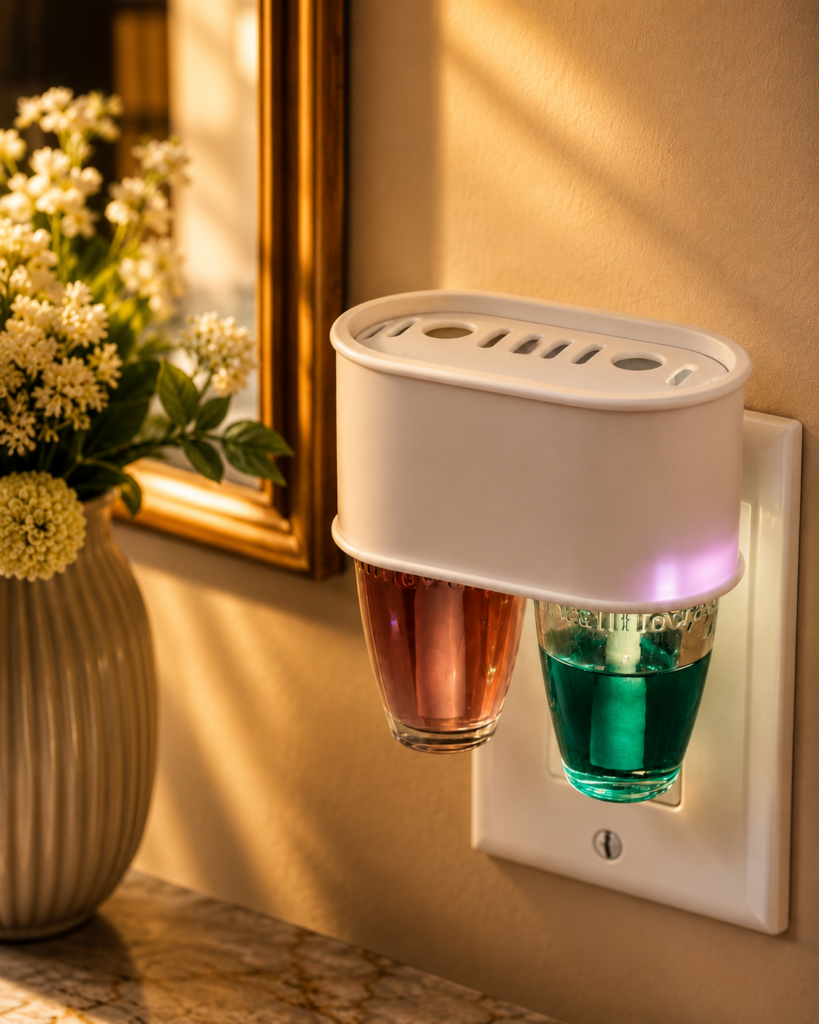
Along with soft lighting, I keep scented diffusers placed throughout our home so there’s always a clean, welcoming fragrance in the air. I also light a real candle each morning while our flameless candles create a warm glow throughout the house.
Over the years, I’ve found that scent has an incredible way of creating memories. Certain fragrances instantly remind my children of the holidays, family gatherings, or simply being home. I often use the same signature scents each season because those familiar fragrances become part of our family’s traditions.
Creating ambiance isn’t just about beautiful décor. It’s about engaging all of the senses.
Fresh flowers and soft lighting should not be saved for guests. These are inexpensive luxuries that can change your home.
Fresh Flowers
Fresh flowers—even just a few stems—instantly make a room feel cared for. They don’t have to be elaborate. It’s often the simplest arrangements that create the greatest sense of warmth.
Small lamps in a larger room add depth and help to create a beautiful ambiance.A single warm lamp can completely change the feeling of a room. Small pools of light create comfort that overhead lighting simply can’t replicate.
Layer Your Home with Warm Pools of Light
Instead of relying on bright overhead lights, I create small pockets of warm light throughout our home. The soft glow instantly changes the mood, making every room feel more welcoming and peaceful.
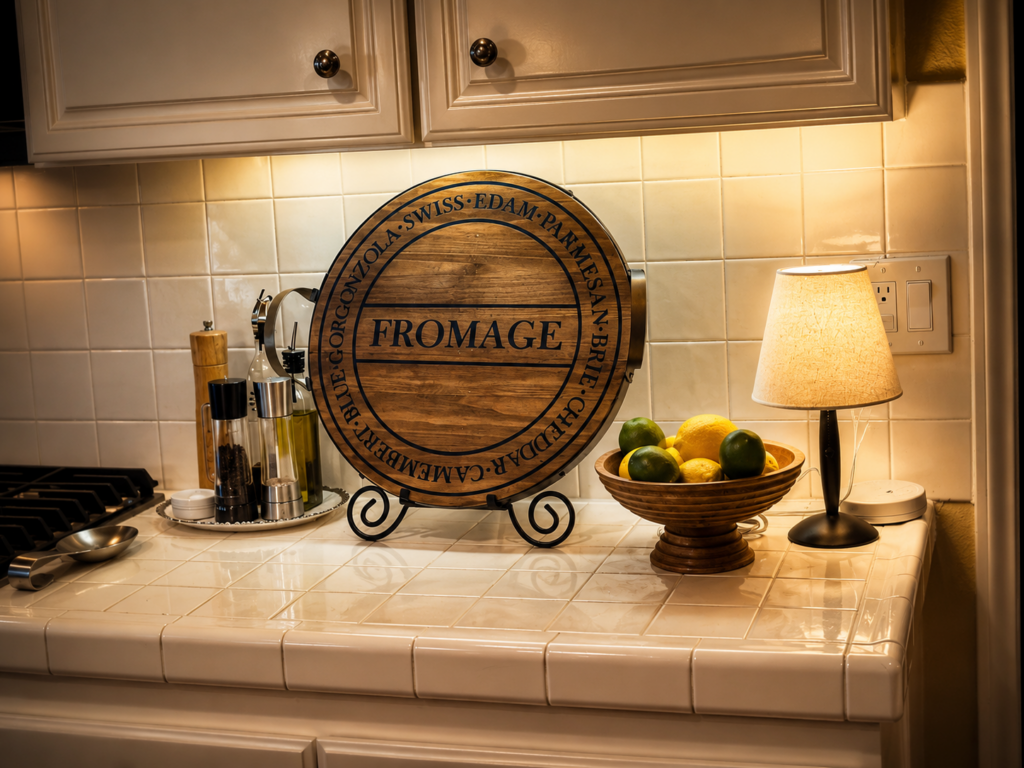
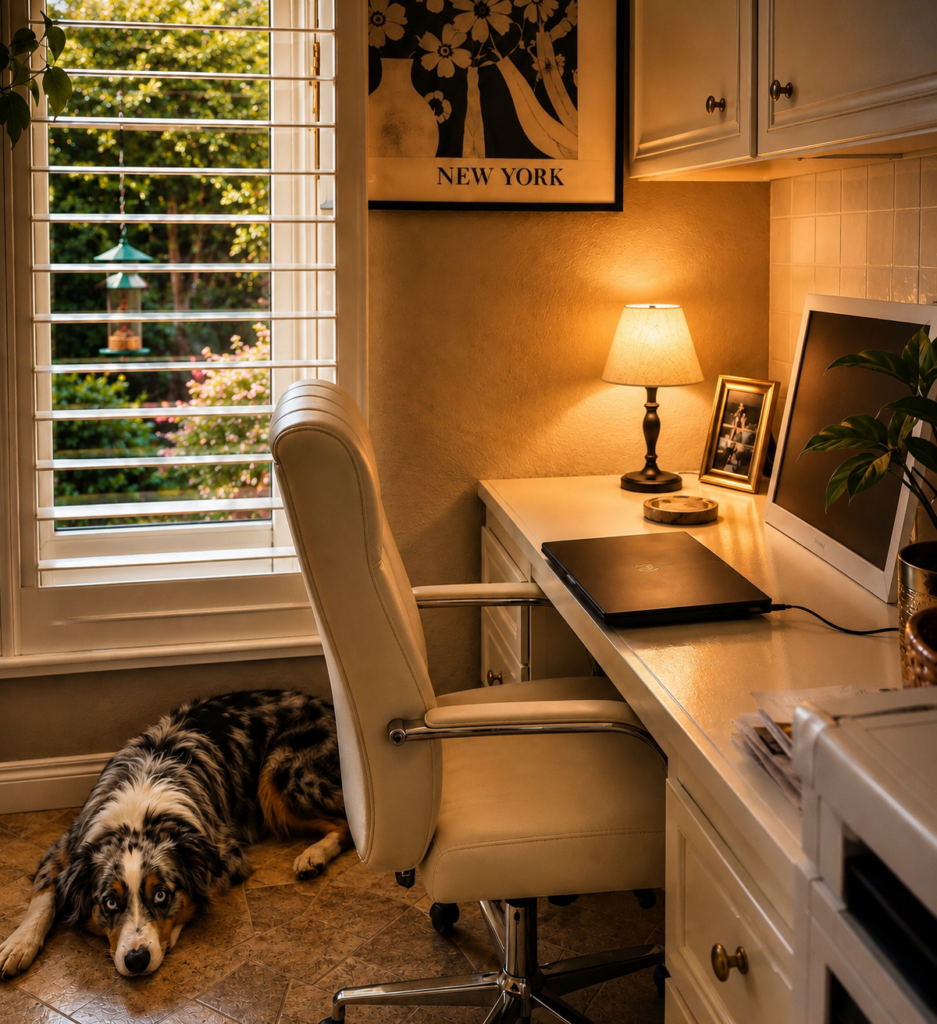
Each morning I turn on several small lamps using warm LED bulbs. One sits on my kitchen counter, another on my desk, another in our living room, and one inside a lantern. Together they create a gentle glow that makes the entire house feel calm before the day even begins.
My sweet Levi is often found by my chair when I am working in the kitchen. He is my favorite kind of ambiance.
It’s one of the easiest decorating tricks I know. Even a simple corner becomes inviting when it’s illuminated with warm light instead of harsh overhead fixtures.
At The End of The Day
At the end of the day, none of this is really about candles. It’s about creating a home that feels peaceful, welcoming, and full of love.
Every morning, I slip into a beautiful robe (just makes me feel good), make my coffee, turn on the lamps, light a candle, and walk through the house with my remote, bringing each flameless candle to life one by one. Fresh blankets are folded on the sofas, soft lighting fills each room, and familiar scents begin to drift through the house.
These simple rituals only take a few minutes, but they completely change the feeling of our home.
Years from now, my children probably won’t remember which lamp sat on the kitchen counter or where every candle was placed. But I hope they’ll remember how our home felt—warm, peaceful, beautiful, and always ready to welcome them home.
Sometimes, the smallest daily rituals become the memories that last a lifetime.
Creating a beautiful home isn’t about perfection. It’s the small daily rituals—fresh flowers, soft lighting, cozy blankets, and a warm cup of coffee—that transform an ordinary house into a place your family loves coming home to.
Final Thoughts
Creating ambiance doesn’t require a designer budget or a complete home makeover. Start with one lamp, a few flameless candles, a favorite scent, and a commitment to slowing down long enough to enjoy your home.
Because beauty isn’t just something we decorate with.
It’s something we live.
“The feeling of home is created in the smallest moments—the glow of a lamp, a familiar fragrance, a warm blanket, and the quiet rituals that tell the people we love they belong here.”
— Caroline
SHOP THE STYLE
Some of the products featured in this article may contain affiliate links. If you purchase through these links, Things of Style may earn a small commission at no additional cost to you. We only recommend products we genuinely love or believe will help you create a beautiful home and life. Thank you for supporting Things of Style.
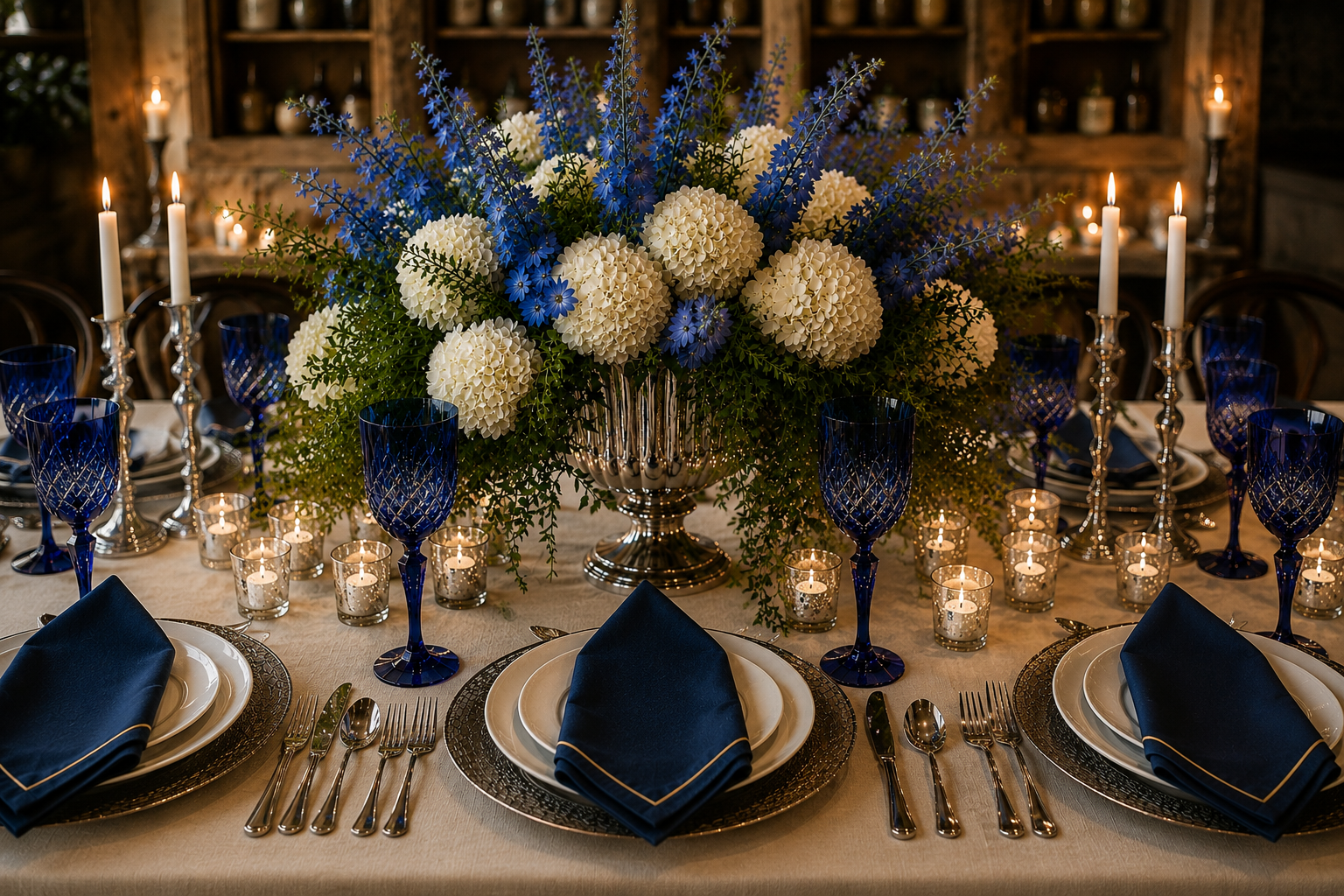
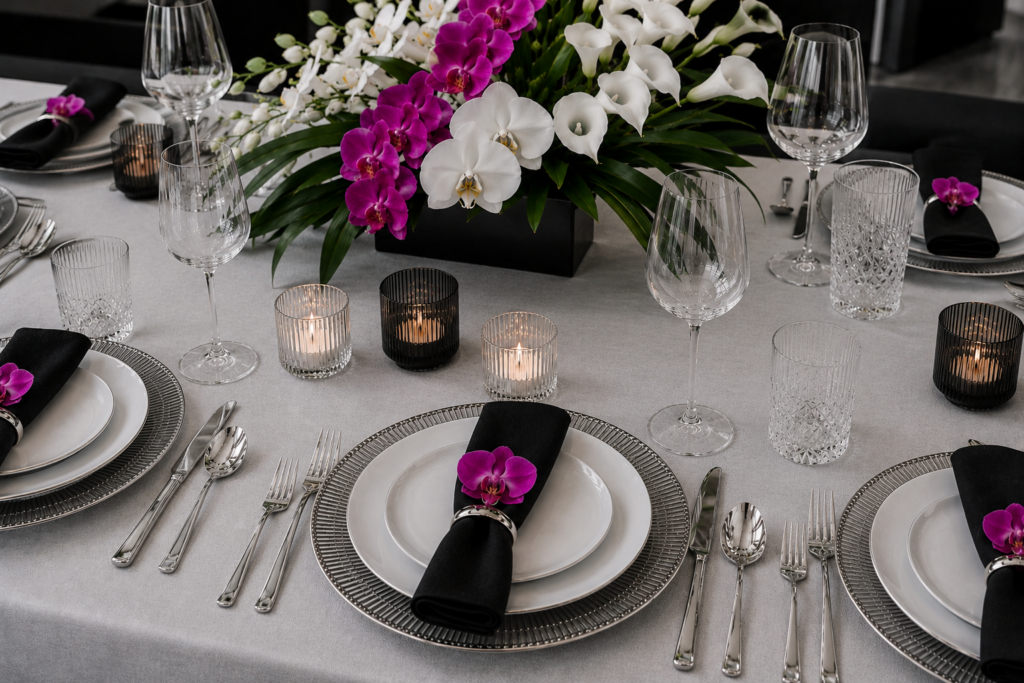
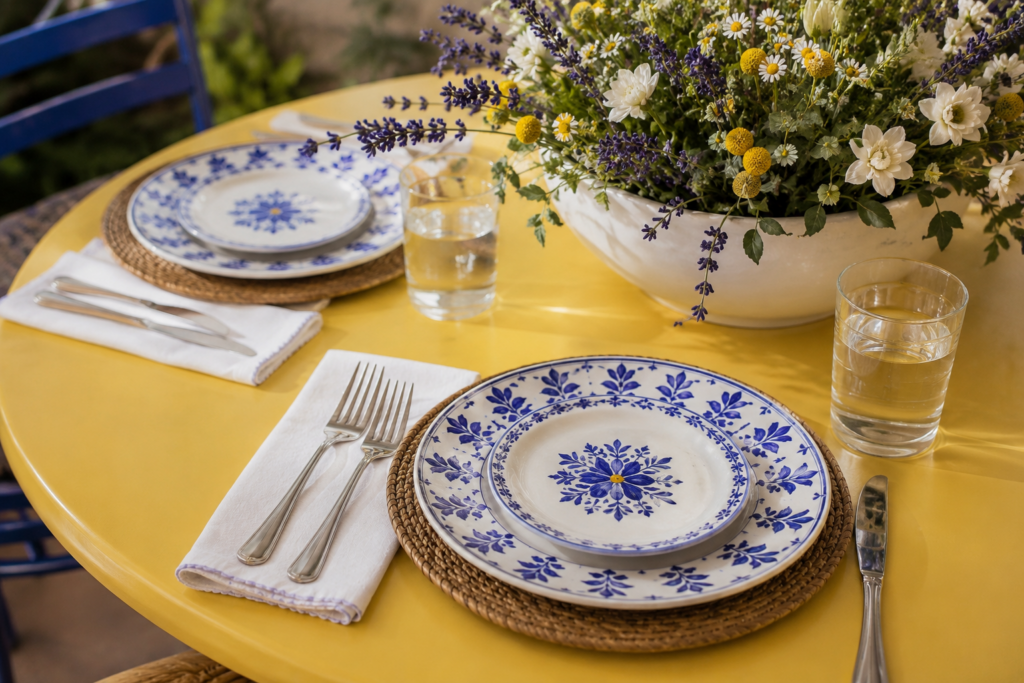
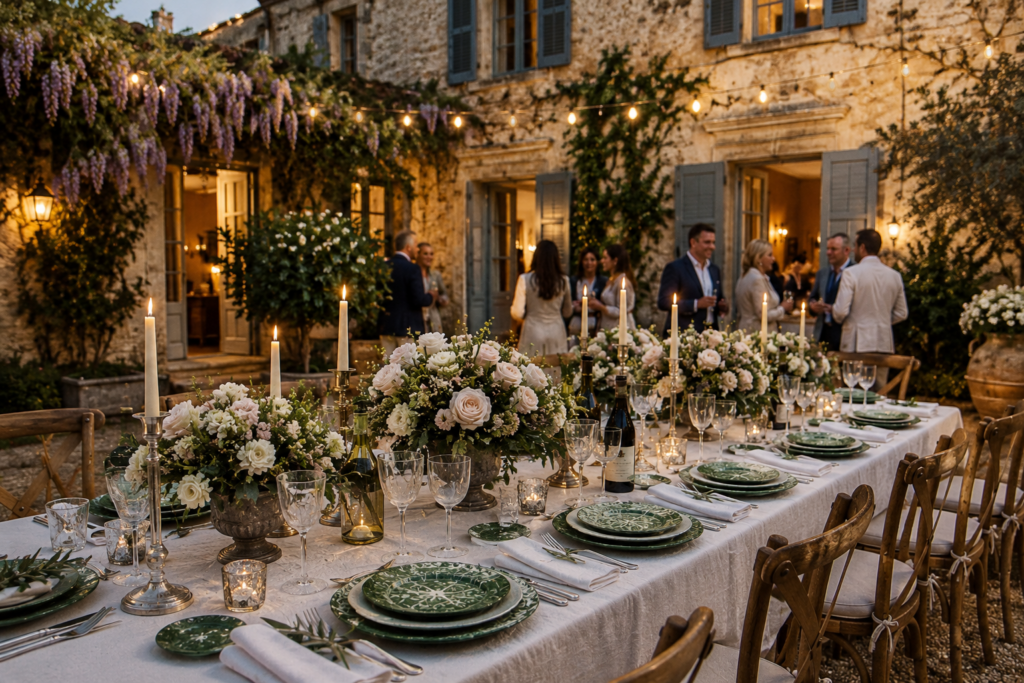
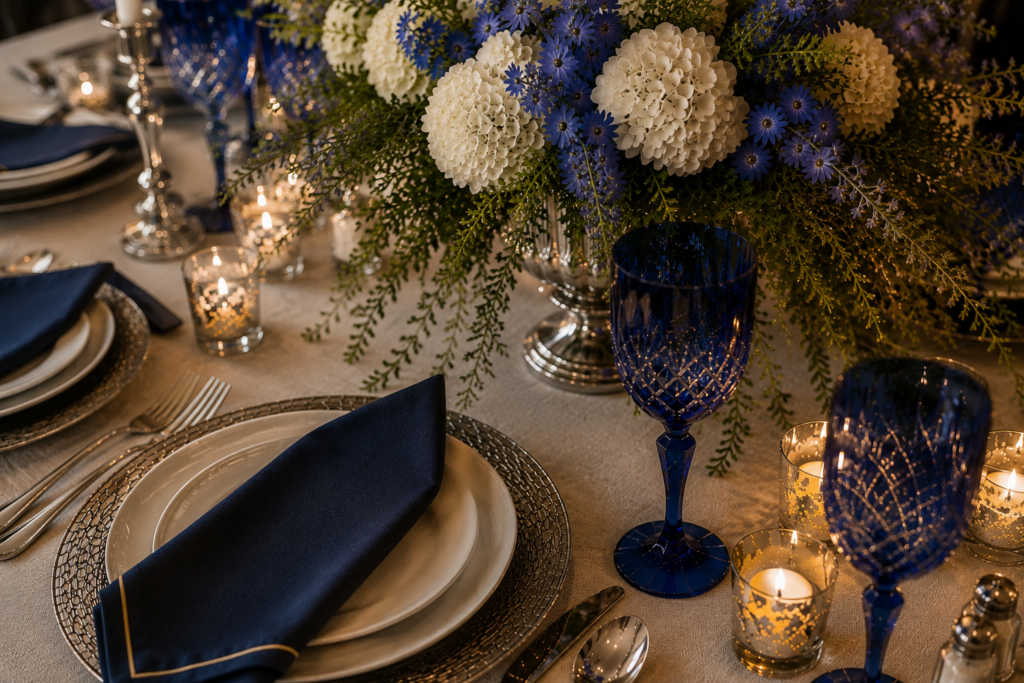
A beautifully set table does more than simply tell your guests where to sit.
It creates anticipation before the first course is served, encourages meaningful conversation, and quietly tells every guest they were expected. Whether you’re hosting Thanksgiving dinner, an intimate dinner party, a birthday celebration, or simply gathering your family around the table on a Sunday evening, thoughtful table settings help transform an ordinary meal into a memorable experience.
The wonderful thing about table etiquette is that it isn’t nearly as complicated as many people believe.
Every Beautiful Table Begins With the Basics
Once you understand a few timeless principles, you’ll never again wonder where the fork belongs, which glass to use, or which utensil comes first. Better yet, you’ll feel confident setting everything from a casual family dinner to a beautifully elegant holiday table.
Many people assume formal table settings require memorizing dozens of complicated rules.
Fortunately, they don’t.
Every beautiful place setting begins with the same simple foundation.
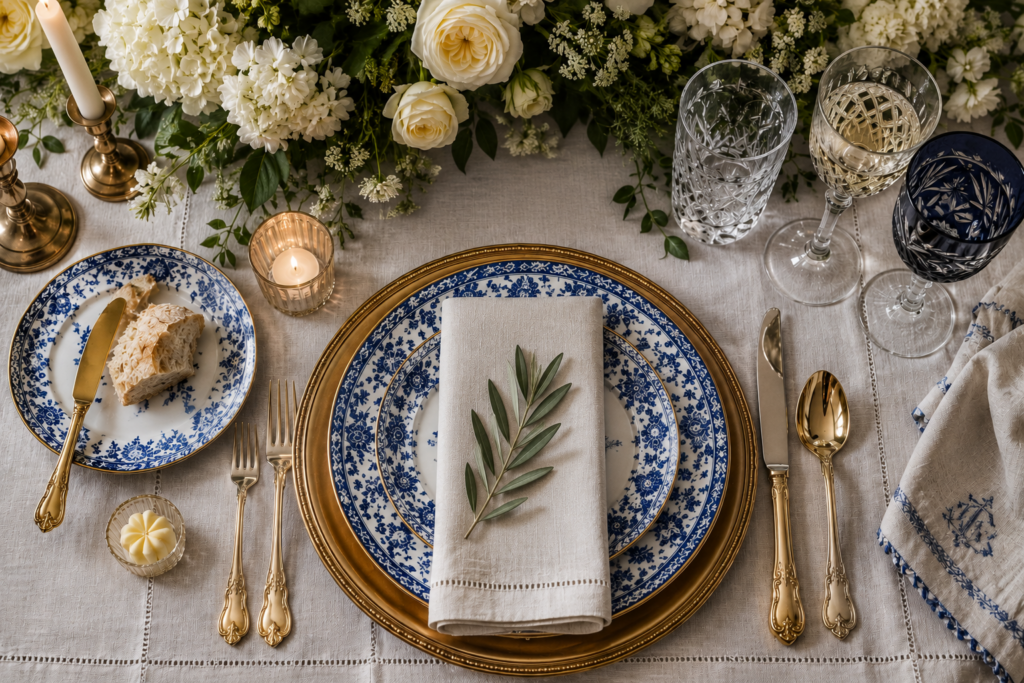
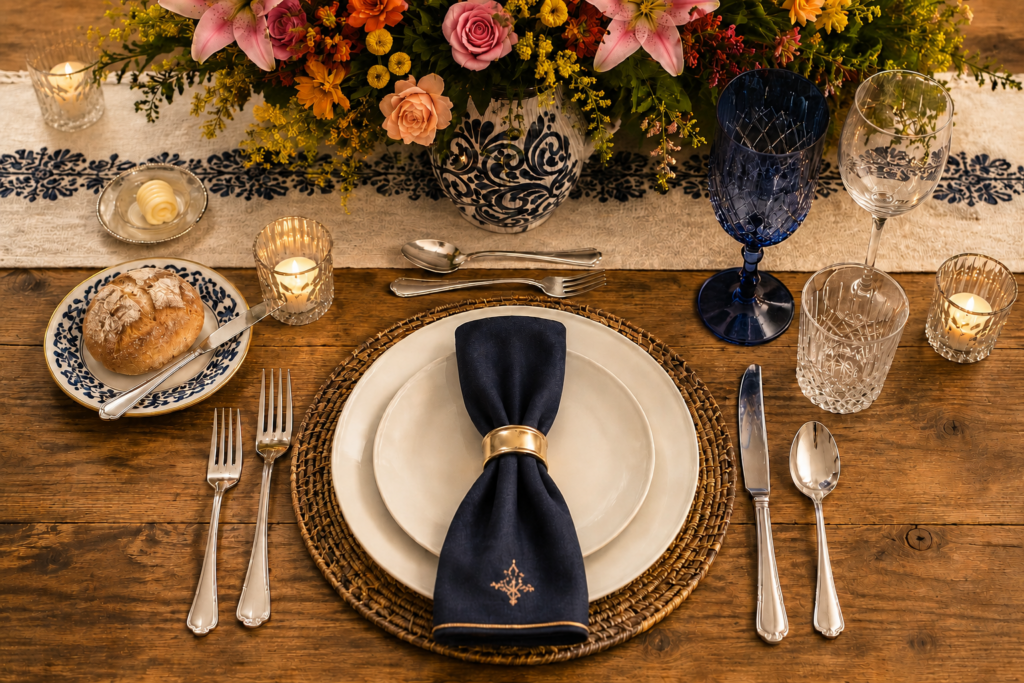
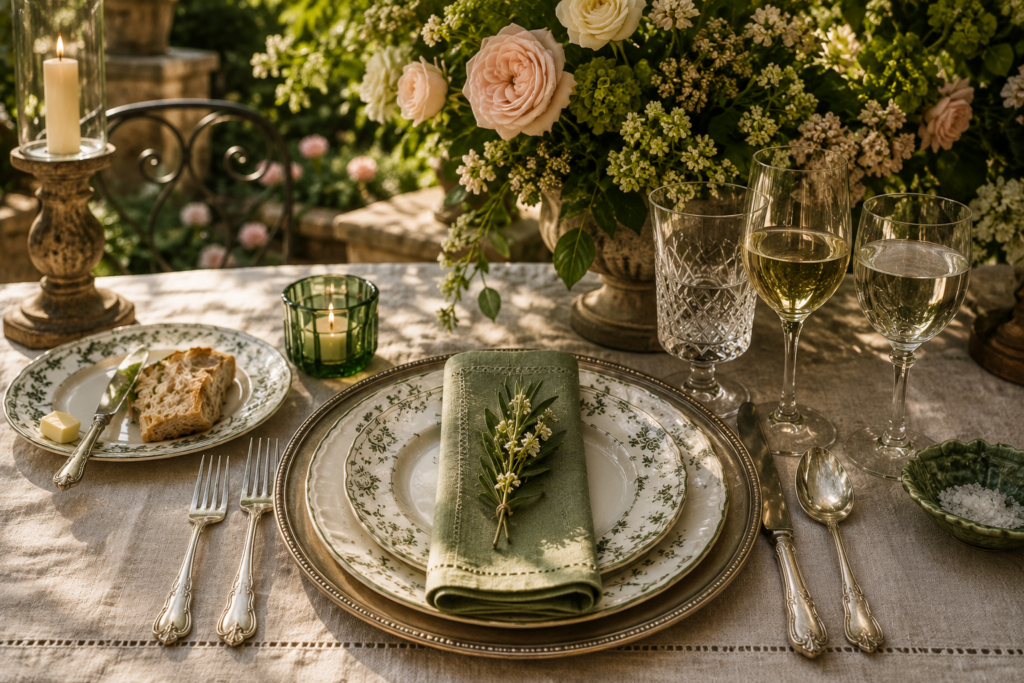
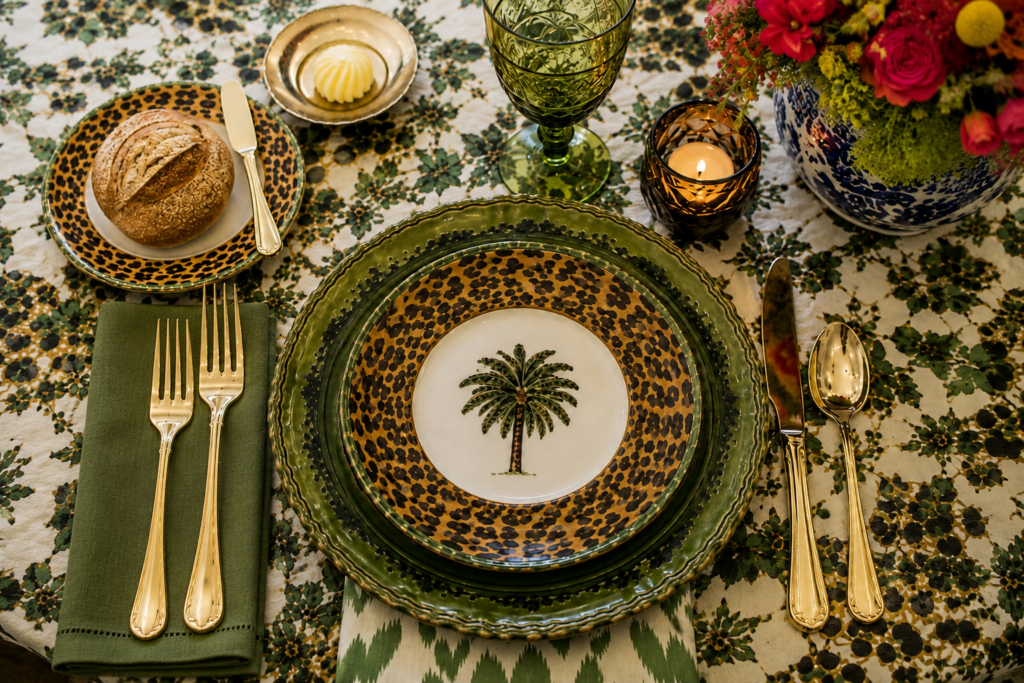
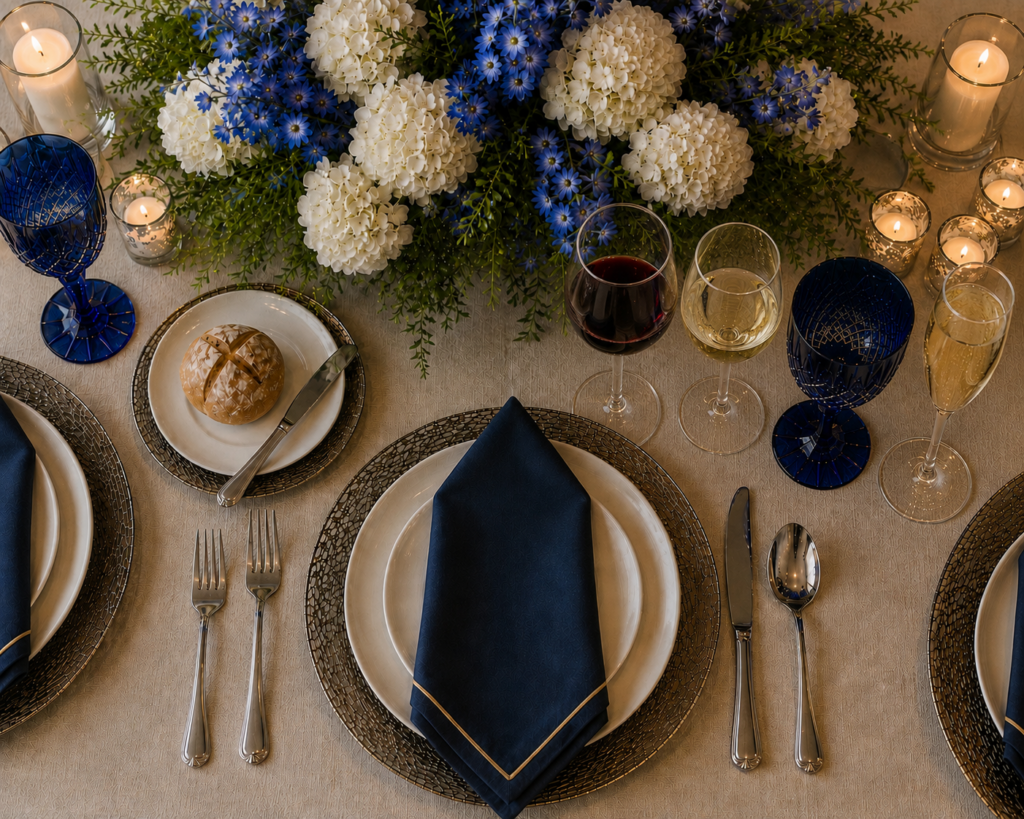
The dinner plate sits in the center.
Forks are placed on the left.
Knives and spoons are placed on the right.
Glasses are placed above the knife.
Bread plates sit above the forks.
Whether you’re serving a simple weeknight dinner or a five-course holiday meal, these basic guidelines remain remarkably consistent.
Once you understand the foundation, building a beautiful table becomes surprisingly easy.
✨Caroline’s Tip
The most memorable tables aren’t necessarily the most expensive.
Fresh flowers, candlelight, beautiful linens, and thoughtful details will always make a stronger impression than simply adding more dishes or silverware.
Over the years, I’ve shared one simple memory trick with countless friends, and nearly every one of them tells me they still use it today.
I call it the 5/4 Rule.
The 5/4 Rule
Fork has four letters.
Left has four letters.
Knife has five letters.
Spoon has five letters.
Right has five letters.
That’s it.
Forks belong on the four-letter side.
Knives and spoons belong on the five-letter side.
It’s one of those wonderfully simple tricks that removes all the guesswork. Once you’ve learned it, you’ll never second-guess yourself again.
Use Your Utensils From the Outside In
Have you ever been seated at a beautifully set formal table and wondered why there were so many forks and spoons?
Don’t worry.
There’s an easy rule for that too.
Always work from the outside in.
The utensils placed farthest from your dinner plate are used first. As each course is served, you simply work your way inward toward the plate.
If salad is served before dinner, the salad fork sits on the outside of the dinner fork.
If soup is served first, the soup spoon sits on the outside of the knife.
Instead of memorizing every possible place setting, simply remember this one rule and you’ll feel comfortable at virtually any dinner table.
✨Caroline’s Tip
If you’re entertaining at home, don’t feel obligated to use every piece of silverware you own.
A beautifully edited table almost always feels more elegant than one that’s overcrowded with pieces your guests will never use.
The Knife Always Faces the Plate
One of the smallest details often makes the biggest difference.
When setting the table, the blade of the knife should always face inward toward the dinner plate.
Although most people never notice this consciously, it gives a table a polished and intentional appearance. It’s a simple tradition that has remained part of proper table etiquette for generations.
Likewise, spoons are placed to the right of the knife whenever soup or dessert requires one.
Remember your 5/4 Rule and you’ll never have to wonder which side they belong on.
Bread on the Left. Drinks on the Right.
Here’s another easy trick that can save you from an awkward moment at a dinner party.
Bread always belongs on the left.
Drinks always belong on the right.
Many people remember this by making a lowercase “b” with their left hand and a lowercase “d” with their right hand.
Your left hand forms the “b” for bread.
Your right hand forms the “d” for drink.
It sounds almost too simple, but it’s a memory trick that’s surprisingly effective and one you’ll likely remember for years.
✨Caroline’s Tip
Simple memory tricks are often more valuable than trying to memorize dozens of etiquette rules. The goal isn’t perfection—it’s confidence.
Setting the Right Glasses
For most dinners, one water glass is all you’ll need.
When serving wine, glasses are arranged just above the knife.
The water glass sits closest to the dinner plate.
White wine is typically placed slightly behind and to the right.
Red wine sits beside or slightly above the white wine glass.
Champagne flutes are added only when appropriate for the occasion.
For everyday entertaining, don’t feel pressured to include every possible piece of stemware. Beautiful entertaining is often about thoughtful simplicity rather than excess.
Napkin Placement
One of the questions I hear most often is where the napkin belongs.
Fortunately, there are several correct answers.
A napkin may be placed:
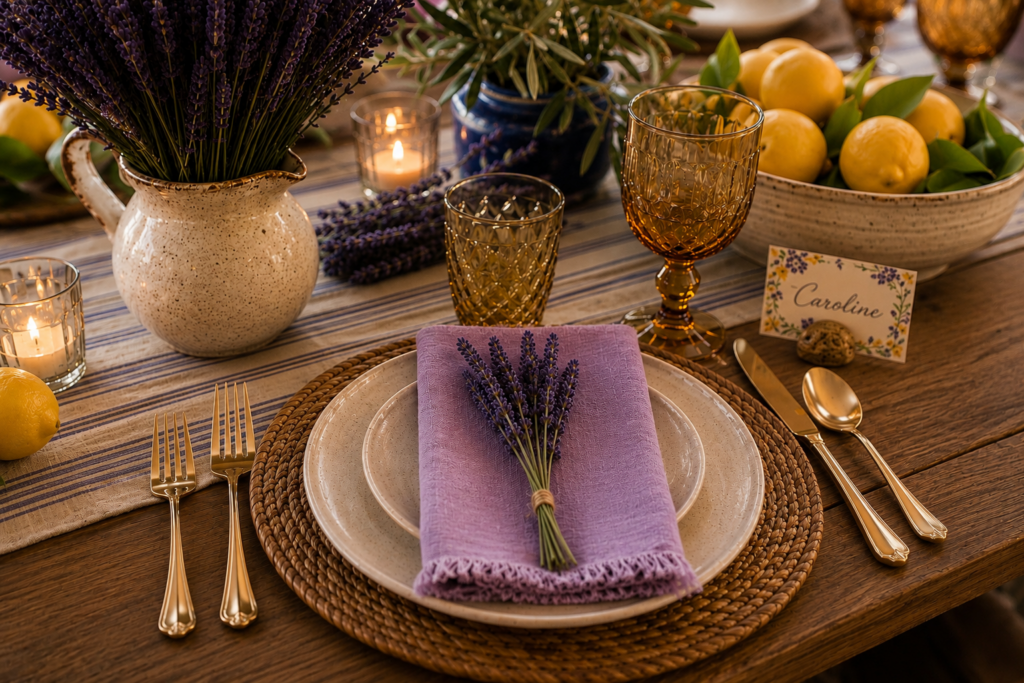
• On the dinner plate
• To the left of the forks
• Folded beneath the forks
• Inside a napkin ring
Each option is perfectly acceptable depending on the style of entertaining you’re creating.
Personally, I love placing a linen napkin on the dinner plate with a beautiful napkin ring, a sprig of rosemary, or a personalized place card. It’s elegant without feeling overly formal.
✨Caroline’s Tip
Linen napkins instantly elevate almost any table. Even the simplest dinner feels more thoughtful when cloth napkins replace paper ones.
Formal vs. Casual Place Settings
Many people believe formal entertaining requires dozens of dishes and utensils.
It really doesn’t.
The only difference is that a formal table includes additional pieces for each course being served.
The same basic rules still apply.
Forks remain on the left.
Knives and spoons remain on the right.
Utensils are arranged in the order they will be used.
Glasses remain above the knife.
Bread plates remain above the forks.
Once you understand the basic layout, a formal table simply becomes an expanded version of the everyday place setting.
Common Table Setting Mistakes
Even experienced hosts occasionally make simple mistakes.
Some of the most common include:
Using too many utensils.
Placing the knife with the blade facing away from the plate.
Overcrowding the table with decorations.
Centerpieces that block conversation.
Using glassware that doesn’t match the meal.
Trying too hard to create a “perfect” table.
Remember, beautiful entertaining isn’t about impressing your guests.
It’s about making them feel comfortable enough to relax and enjoy your company.
Final Thoughts
Beautiful Entertaining Is About Making People Feel Welcome
The purpose of table etiquette has never been to impress people.
Its purpose is to remove distractions so everyone can focus on what matters most—sharing a wonderful meal and enjoying each other’s company.
A thoughtfully set table tells your guests they were worth the effort.
It creates an atmosphere that encourages people to slow down, linger a little longer, and enjoy the experience you’ve created.
Whether you’re serving takeout on a Tuesday evening or hosting Thanksgiving for thirty guests, beautiful entertaining begins with thoughtfulness, not perfection.
✨Caroline’s Tip
Some of the most memorable dinner parties I’ve attended weren’t the most elaborate.
They were the ones where conversation flowed easily, laughter filled the room, and everyone felt completely at home.
Never underestimate the power of candlelight, fresh flowers, and genuine hospitality.
Small Details Make the Biggest Impression
Luxury is rarely about owning the most expensive things.
Instead, it comes from thoughtful details.
Fresh flowers gathered from the garden.
Beautiful linen napkins.
Candles flickering during dinner.
A handwritten place card.
Pretty glassware.
A favorite serving platter that’s been in the family for years.
These little touches create warmth and personality that guests remember long after the meal has ended.
The most beautiful homes are not always the largest or the most expensive.
They’re the homes where people feel welcomed.
Final Thoughts
Table etiquette isn’t about following rigid rules.
It’s about creating a welcoming environment where family and friends can relax, enjoy one another’s company, and make lasting memories.
Once you remember the 5/4 Rule, work from the outside in, and keep bread on the left and drinks on the right, you’ve already mastered the fundamentals.
Everything else is simply adding your own personal style.
Whether your table is dressed with heirloom china, everyday dishes, or a simple bouquet of flowers from your garden, the goal remains exactly the same.
Create a table that invites people to gather.
Create a table that encourages conversation.
Most importantly, create a table people won’t want to leave.
Memories of Style
“Some of life’s sweetest memories begin around a beautifully set table. It isn’t the china, the crystal, or the silverware people remember most. It’s the laughter, the conversations, and the feeling of being welcomed.”
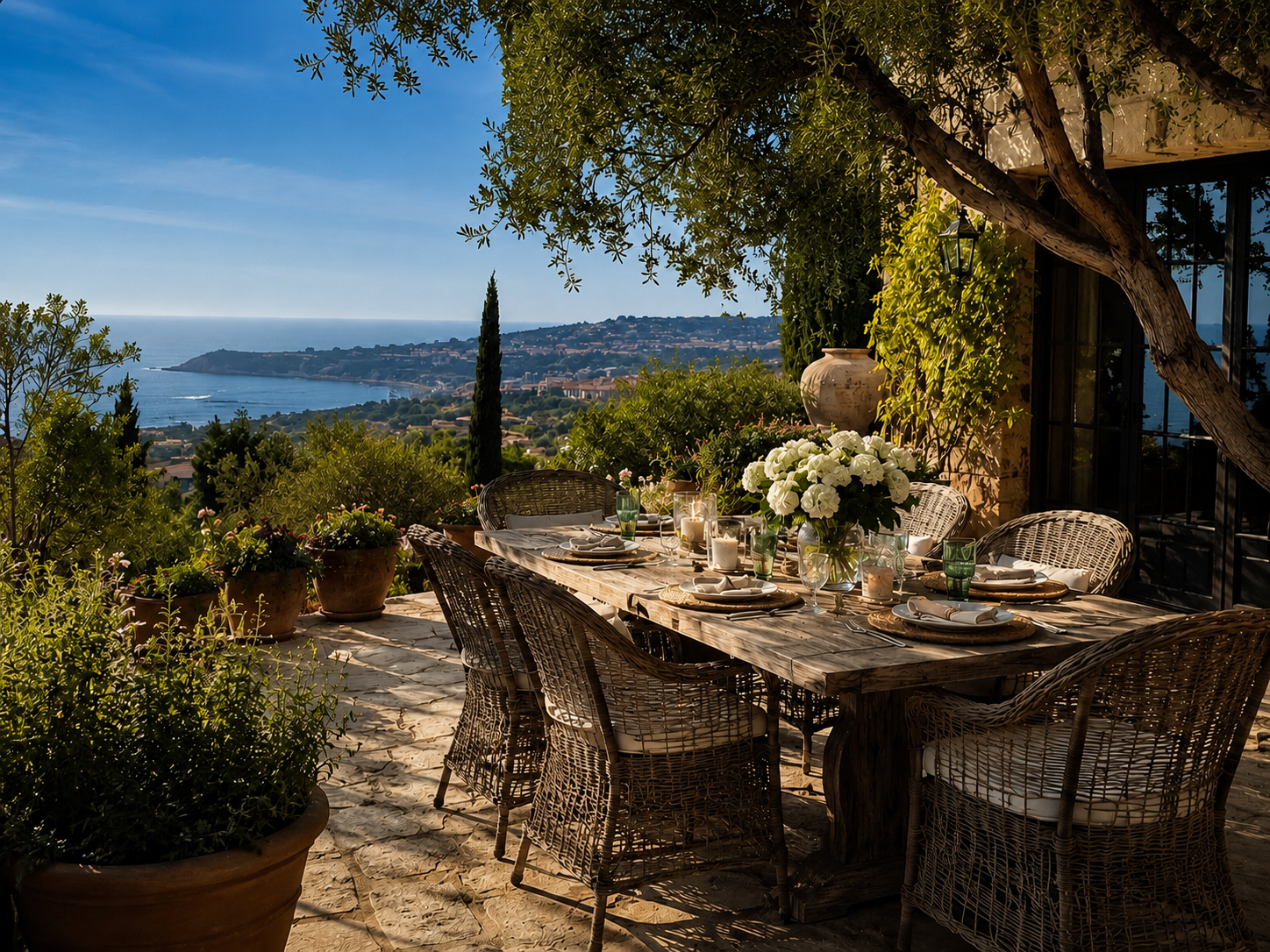
Outdoor dining ideas don’t have to come from a luxury resort. With timeless furniture, layered textures, natural materials and thoughtful styling, you can create an elegant outdoor dining space that feels welcoming, sophisticated, and perfect for entertaining all season long. Some of life’s most memorable moments happen around a beautifully set table beneath the open sky.
Whether you’re hosting an intimate dinner for two or gathering family and friends for an evening outdoors, creating a thoughtfully designed entertaining space transforms an ordinary meal into an unforgettable experience. True luxury isn’t defined by extravagance—it’s found in comfort, timeless design, and an atmosphere that encourages people to slow down and enjoy one another’s company. These outdoor dining ideas create an elegant entertaining space.
Design for the View
Every exceptional outdoor space begins by embracing its surroundings.
Whether your home overlooks the ocean, rolling hills, a peaceful garden, or your own backyard retreat, allow the landscape to become part of the design. Arrange furniture to capture the view, frame natural focal points, and create seating areas that invite conversation while celebrating the beauty beyond.
When nature becomes part of the décor, the entire space feels larger, calmer, and effortlessly elegant.
Choose Timeless Materials
Our favorite outdoor dining ideas combine natural textures with timeless furnishings. One of the defining characteristics of luxury outdoor living is the use of natural materials that become even more beautiful with time.
Warm wood, woven textures, natural stone, linen, terracotta, and handcrafted accessories create a relaxed sophistication that never feels overdesigned. Rather than chasing trends, invest in pieces that will continue to feel timeless season after season.
The result is a space that feels collected rather than decorated.
Layer Texture Instead of Clutter
Beautiful outdoor entertaining isn’t about adding more—it’s about layering intentionally.
A rustic dining table paired with woven chairs, oversized planters, soft textiles, and subtle decorative accents creates visual richness without overwhelming the space. Fresh greenery and seasonal flowers provide natural color while allowing the surrounding landscape to remain the star of the show.
Luxury often comes from restraint.
Create an Atmosphere Guests Won’t Want to Leave
The most inviting outdoor spaces appeal to every sense.
The best outdoor dining ideas focus on comfort as much as style. Soft candlelight, gentle breezes, comfortable seating, beautiful serving pieces, and thoughtfully chosen accessories all contribute to an experience that feels relaxed and welcoming. When every detail works together, entertaining becomes effortless and every gathering feels like a special occasion.
Creating a resort-worthy outdoor space isn’t about perfection. It’s about designing a place where memories are made.
✨ Recreate This Look
Inspired by this outdoor retreat?
Recreate This Resort-Worthy Outdoor Dining Space
Then the introduction becomes:
Bring the relaxed elegance of Mediterranean outdoor living home with these carefully curated pieces. Each selection was chosen to capture the warmth, texture, and timeless style featured in this outdoor dining space. Mix and match these favorites to create a beautiful setting that’s welcoming, comfortable, and designed for lingering over long meals with family and friends.
The foundation of any inviting outdoor gathering begins with comfortable seating and timeless design. This warm teak dining set with woven chairs creates the perfect place to linger over long meals and meaningful conversation.
Soft scalloped edges add just enough detail while allowing the food and overall table styling to remain the focal point. These timeless plates work beautifully for everyday dining and special occasions alike.
Simple, elegant glassware complements any table setting. These classic goblets are perfect for sparkling water, sangria, wine, or your favorite summer beverages.
A handcrafted serving bowl instantly becomes the centerpiece of your table. Fill it with fresh lemons, peaches, grapes, or artisan bread for a simple display inspired by Mediterranean markets.
Nothing says Mediterranean living quite like an olive tree. Whether placed beside the dining table or on a nearby patio, it brings timeless European charm to any outdoor space.
A weathered ceramic jug filled with olive branches, eucalyptus, or seasonal greenery adds the perfect finishing touch to your outdoor entertaining space.
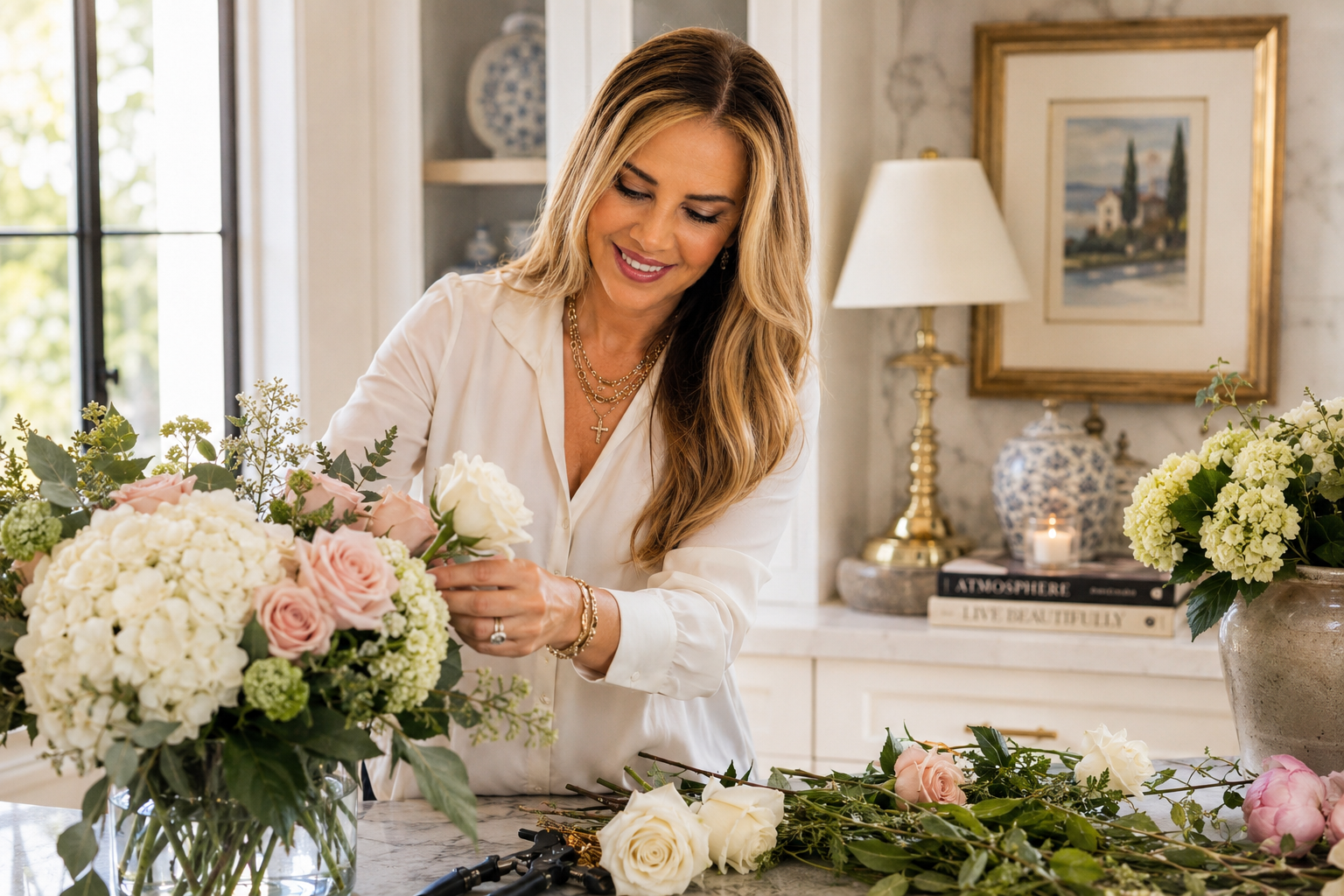
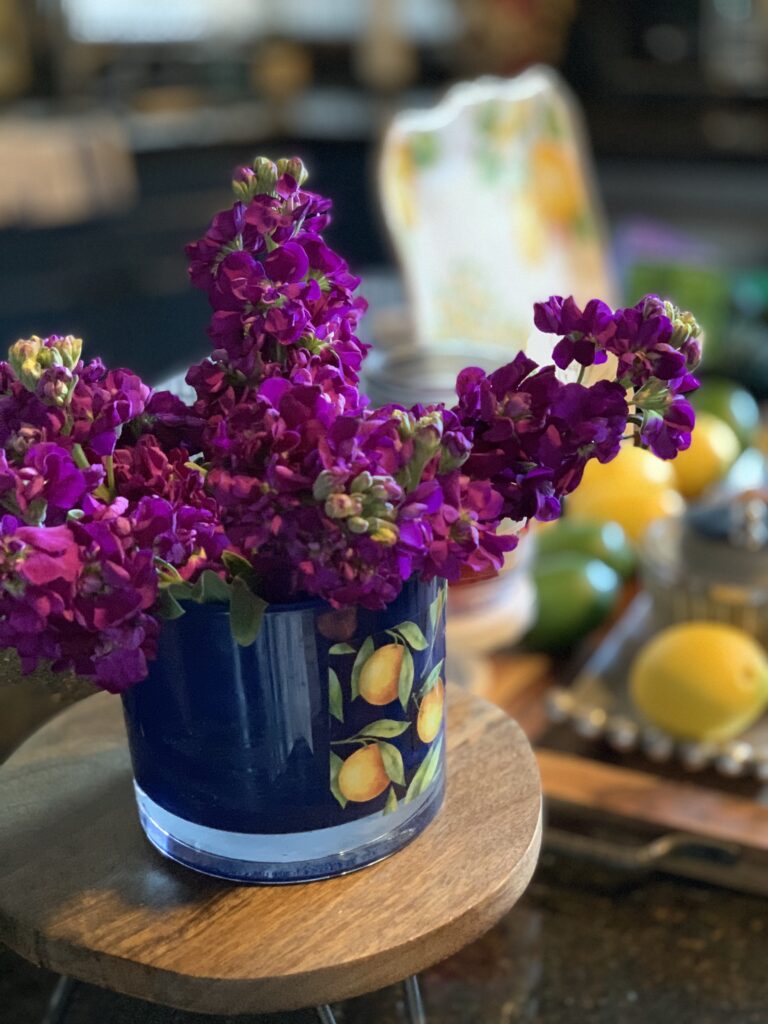
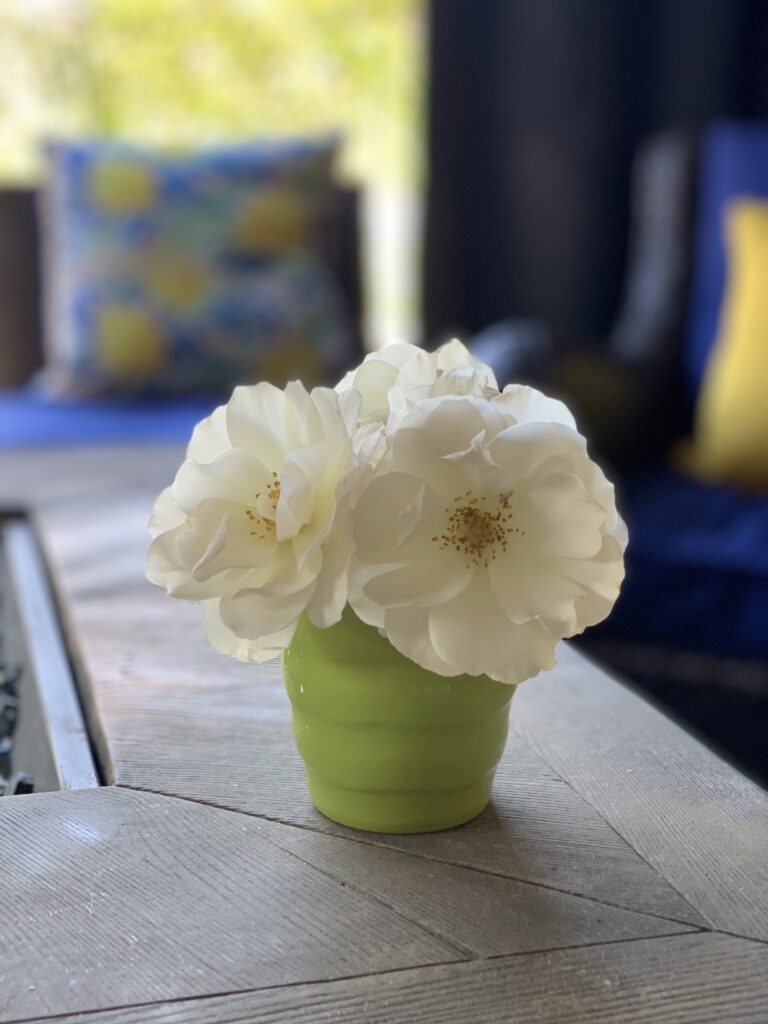
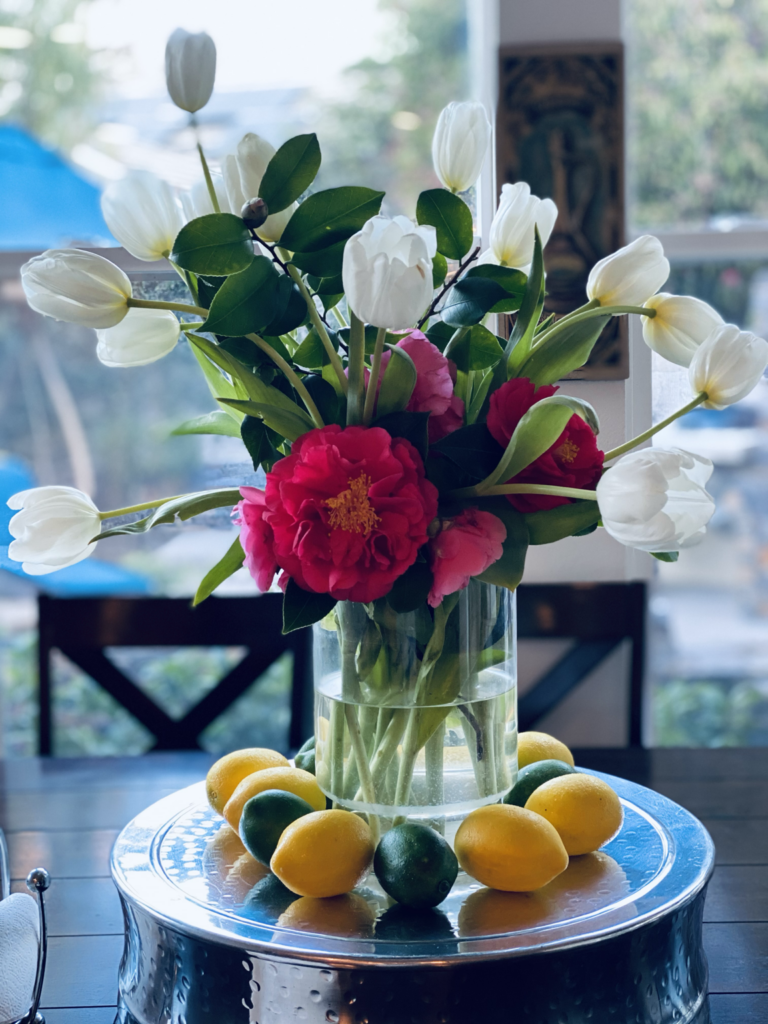
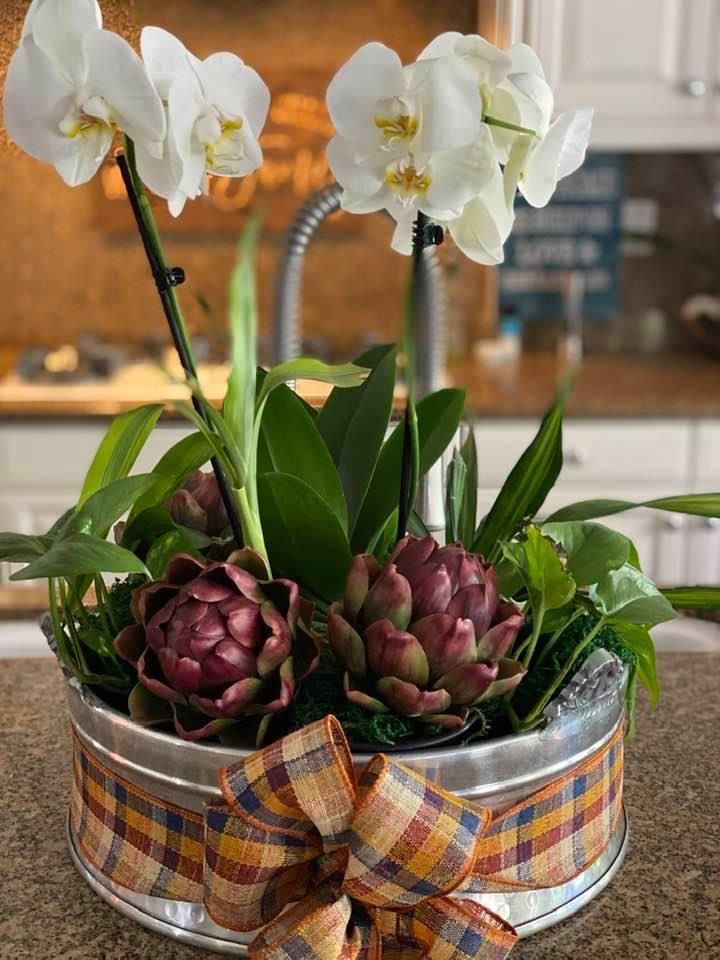
Fresh flowers are one of the first things I reach for when preparing my home for guests. Whether I am setting a holiday table, creating a seasonal centerpiece, or simply brightening a corner of the kitchen, flowers have a way of making a home feel welcoming and cared for.
Over the years, I have discovered that beautiful arrangements do not require a florist’s budget. Some of my favorite centerpieces have been created using grocery store flowers, seasonal greenery, and containers I already had at home.
One of the things I enjoy most is incorporating flowers into everyday spaces rather than saving them only for special occasions. A simple arrangement on a kitchen island or dining table can instantly bring color, texture, and life into a room.
Flowers also help set the tone for entertaining. Before guests ever sit down at the table, they notice the atmosphere of a home. Fresh flowers create a feeling that is both inviting and effortless.
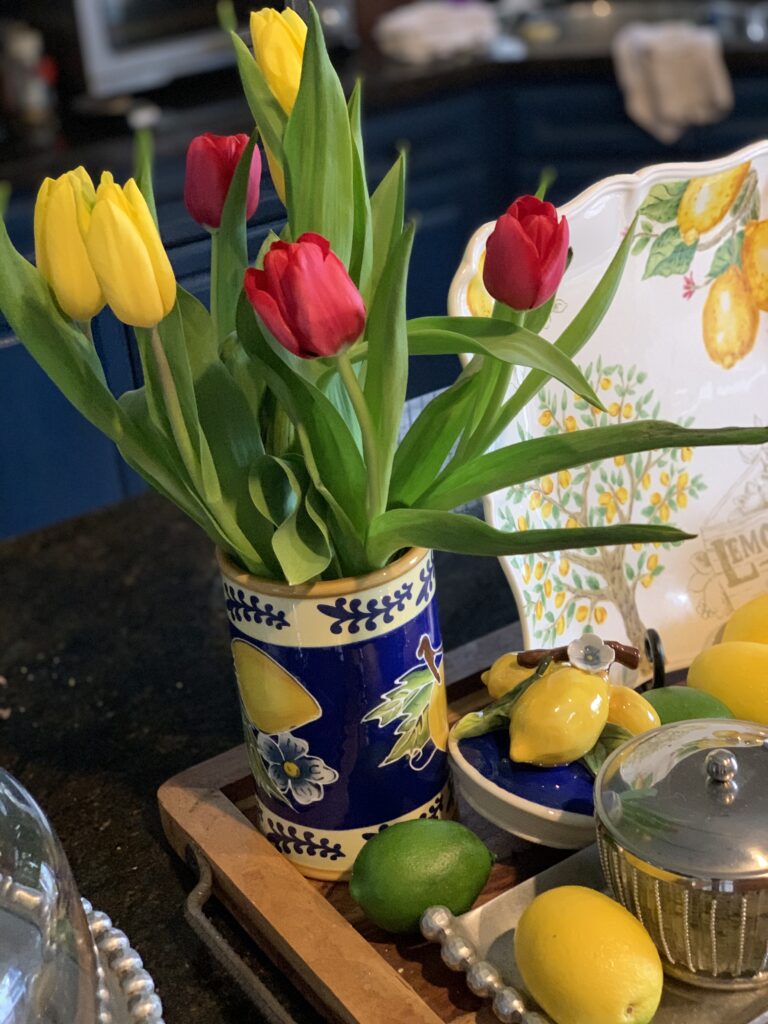
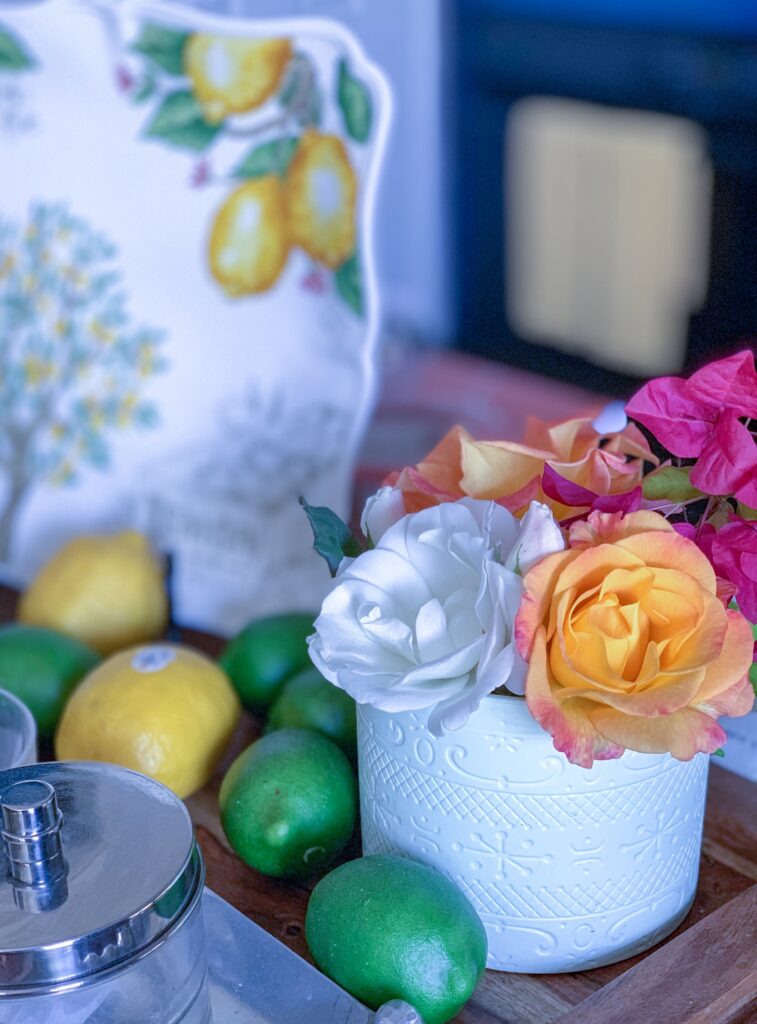
I also enjoy repeating colors and themes throughout a space. Citrus-inspired containers, seasonal accents, and fresh flowers can work together to create a cohesive look that feels collected over time.
Over the years, I have also started thinking about my garden differently. When selecting plants, shrubs, and flowers, I often consider whether they will be useful in future arrangements. Many of the bouquets throughout my home include greenery clipped directly from trees and shrubs in the yard. Having a variety of foliage readily available allows me to create fuller arrangements without needing to purchase additional stems.
Boxwoods are one of my favorite examples. They provide beautiful greenery year-round, grow well in the landscape, and last surprisingly long once cut. I often use simple boxwood clippings by themselves in small vases throughout the house when I want to add a touch of fresh greenery without creating a full arrangement.
Camellias are another favorite. Their blooms last for months in the garden and provide beautiful flowers for arrangements throughout the season. I love being able to step outside, gather a few blooms, and bring them indoors to enjoy on a kitchen counter, dining table, or bedside table.
One of my favorite parts of arranging flowers is walking through the garden with clippers in hand, gathering greenery, seasonal blooms, and interesting textures to bring indoors. It creates a connection between the home and garden while ensuring there is almost always something beautiful available for a centerpiece or bouquet.
One of the biggest misconceptions about floral design is that arrangements need to be complicated. In reality, some of the most beautiful displays are often the simplest. A few stems arranged thoughtfully can have just as much impact as an elaborate centerpiece.
Flowers are not reserved only for entertaining. They bring beauty to everyday moments as well. Whether placed in a guest room, kitchen, entryway, or dining area, they create small moments of joy throughout the home.
There is also something I have come to believe over the years: flowers should not be reserved only for guests or special occasions.
While I enjoy creating arrangements for gatherings and celebrations, some of my favorite flowers are the ones I get to enjoy every day. I almost always have at least one fresh arrangement somewhere in the house, even if it is nothing more than a few clippings of greenery gathered from the garden.
Fresh flowers bring life, color, and beauty into a home, but they also serve as a simple reminder to slow down and appreciate everyday moments. Whether anyone else sees them or not, they are there for my enjoyment and for my family’s enjoyment. To me, that is reason enough to keep fresh flowers in the house throughout the year.
For me, fresh flowers have become part of the rhythm of home. They help mark the seasons, welcome guests, and add beauty to ordinary days. More than anything, they remind me that creating a welcoming home is often about thoughtful details rather than grand gestures.
Creating a welcoming home is not about perfection. It is about thoughtful details that make people feel comfortable, cared for, and invited to stay awhile.
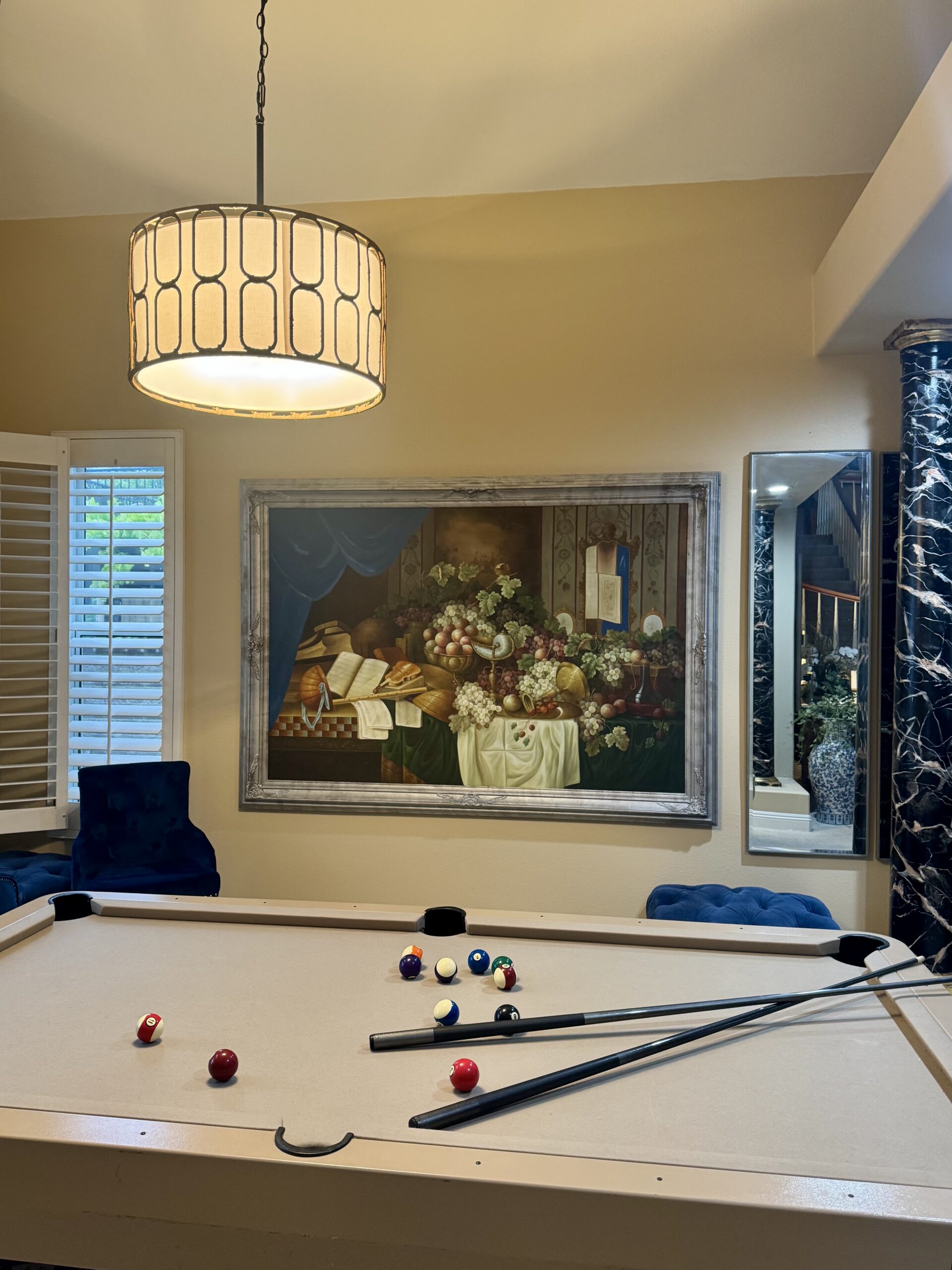
Many homes have rooms that look beautiful but rarely get used. For years, our formal dining room was one of those spaces. While it served its purpose on special occasions, we found ourselves wanting a room that encouraged everyday enjoyment, conversation, and connection.
Rather than allowing the room to sit mostly unused, we decided to rethink how the space could better serve our family and guests. The result was transforming the dining room into a pool room that feels welcoming, comfortable, and much more aligned with the way we actually live.
The pool table naturally became the focal point of the room, but creating a successful space required much more than simply adding a game table. Lighting, furnishings, artwork, and accessories all play an important role in making the room feel cohesive and inviting.
One of my favorite details in the room is an oil painting that has remained with us through multiple homes and decorating changes. When our color palette evolved toward blue tones, I updated portions of the artwork myself by repainting elements such as the curtains and a few smaller details to coordinate with the new color scheme.
It is an approach I have used throughout our home over the years. Rather than immediately replacing artwork when a room changes, I often look for ways to adapt and refresh pieces I already love. Not only does it save money, but it also preserves the character and memories attached to the artwork.
The chandelier overhead adds warmth and visual interest while helping define the room as a gathering place rather than simply a game area. Combined with comfortable seating and personal décor, the room feels collected and lived in rather than staged.
This transformation reinforced an important decorating lesson: the best rooms are not always the most formal. They are the rooms that reflect the people who live there and support the way they actually spend their time.
Today, what was once a rarely used dining room has become one of the most enjoyed spaces in our home. Whether hosting friends, spending time with family, or simply enjoying a quiet evening, the room serves a purpose every day—and that makes it one of the most successful design decisions we have made.
This transformation reinforced an important decorating lesson: the best rooms are not always the most formal.
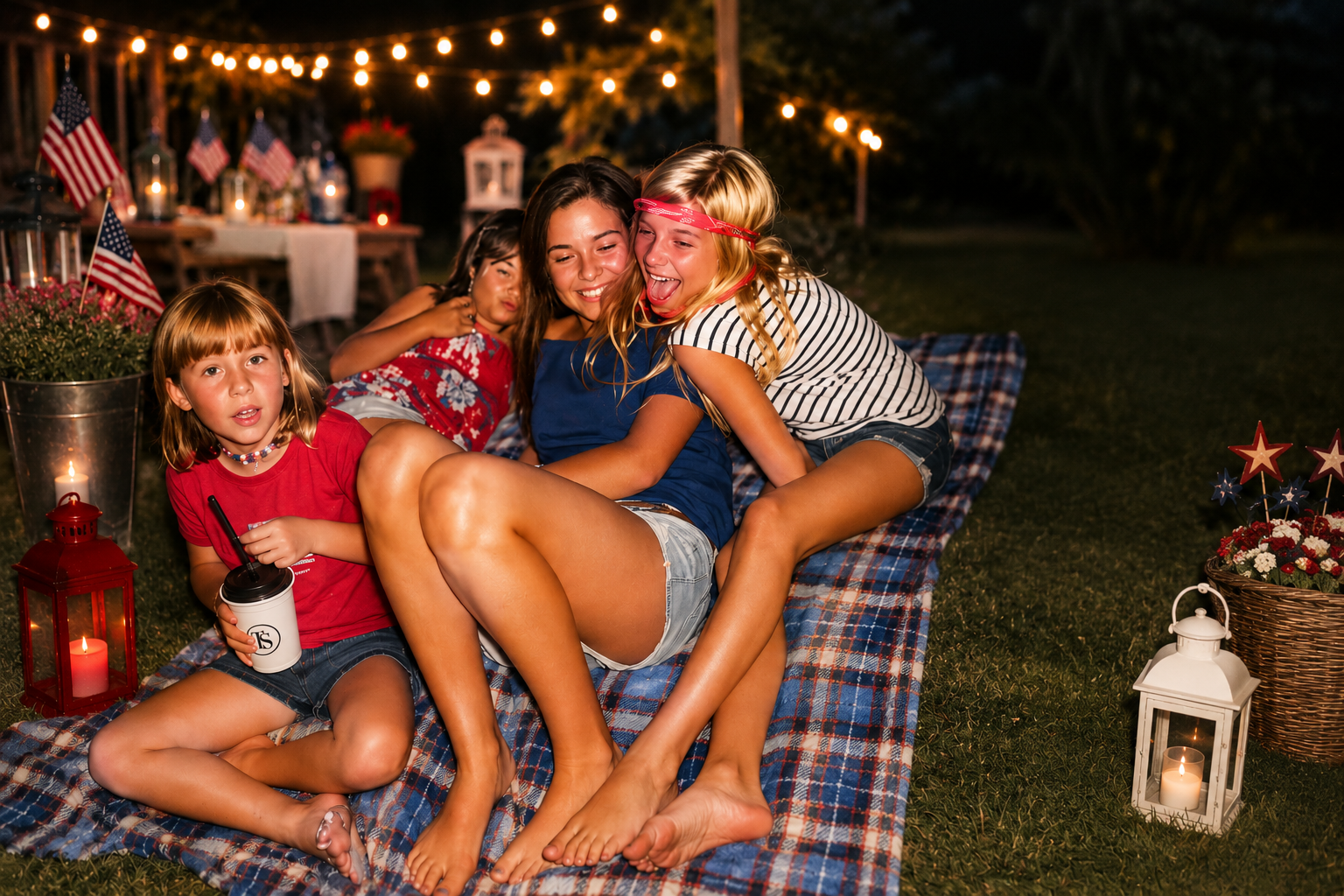
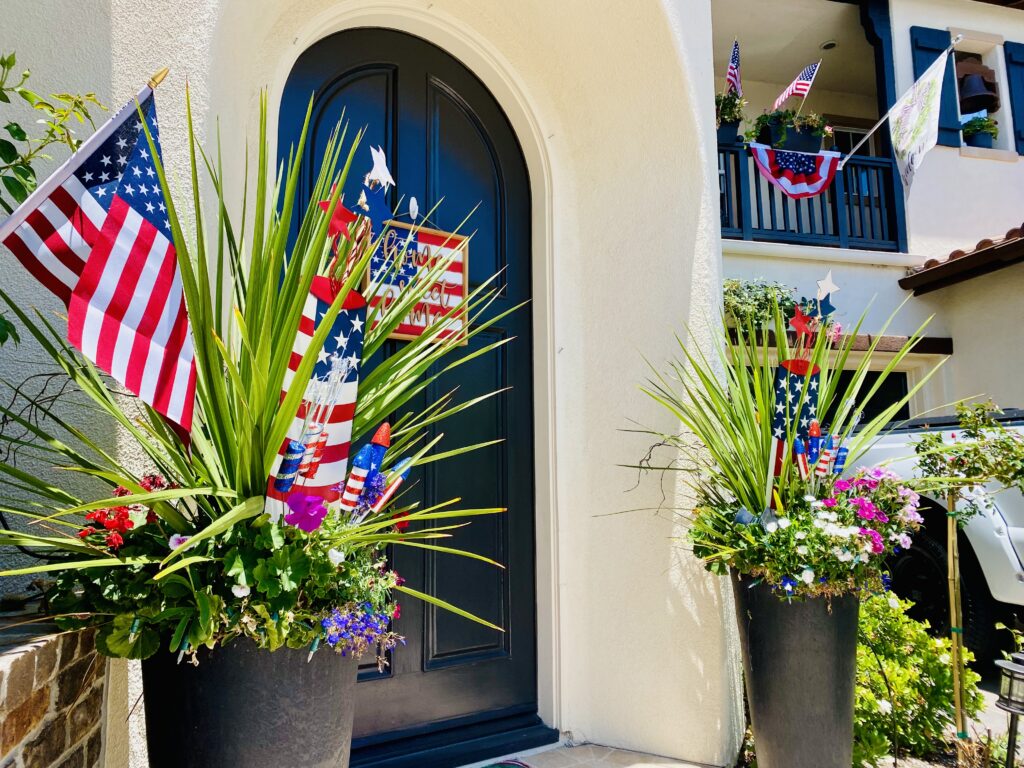
There is something special about the Fourth of July that goes far beyond fireworks and decorations. The celebrations that stay with us are often the simplest ones—gathering outdoors, sharing a meal, watching children play, and spending time with family and friends.
Whether celebrated in a backyard, at a neighborhood gathering, or around a table filled with seasonal favorites, Independence Day offers an opportunity to slow down and enjoy the people who matter most.
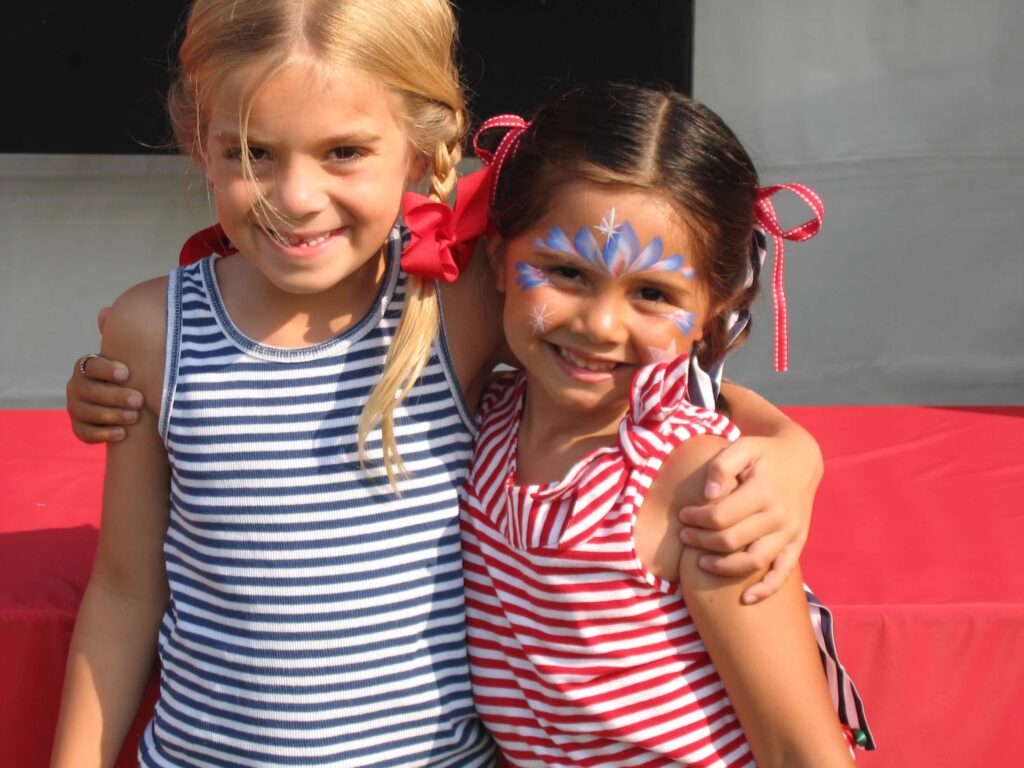
Over the years, some of our favorite Fourth of July memories have centered around these simple traditions. Patriotic colors appeared throughout the day, from festive desserts and refreshing drinks to red, white, and blue outfits worn by children and guests alike. The atmosphere felt cheerful and relaxed, creating the kind of celebration that encourages everyone to slow down and enjoy the moment.
Food often becomes the centerpiece of the celebration. From casual outdoor meals to festive desserts, seasonal favorites help create an inviting environment where guests can relax and enjoy the day.
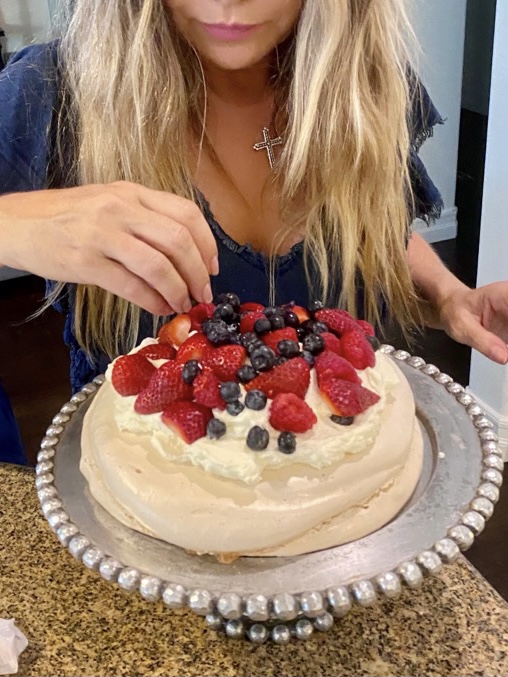
A beautiful dessert does not need to be complicated to make an impact. Fresh berries, seasonal ingredients, and simple presentation can create a centerpiece that feels both elegant and approachable while complementing the holiday theme.
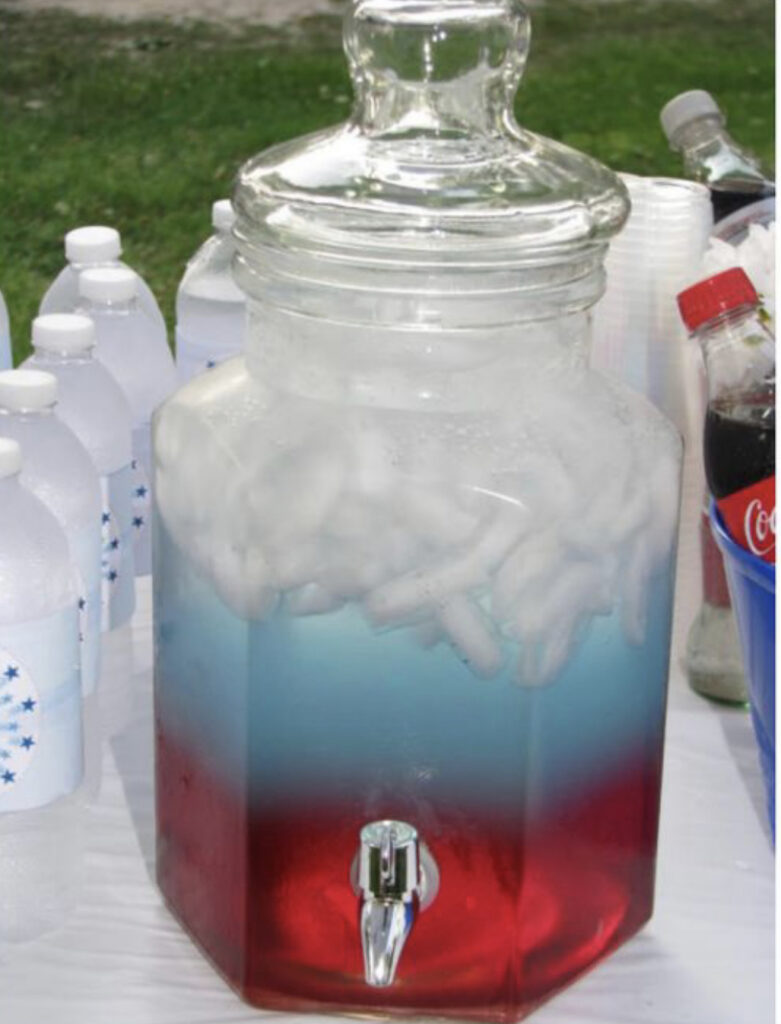
Refreshing drinks are another easy way to add festive style to a gathering. Beverage stations encourage guests to help themselves and contribute to the relaxed, welcoming atmosphere that makes outdoor entertaining enjoyable.
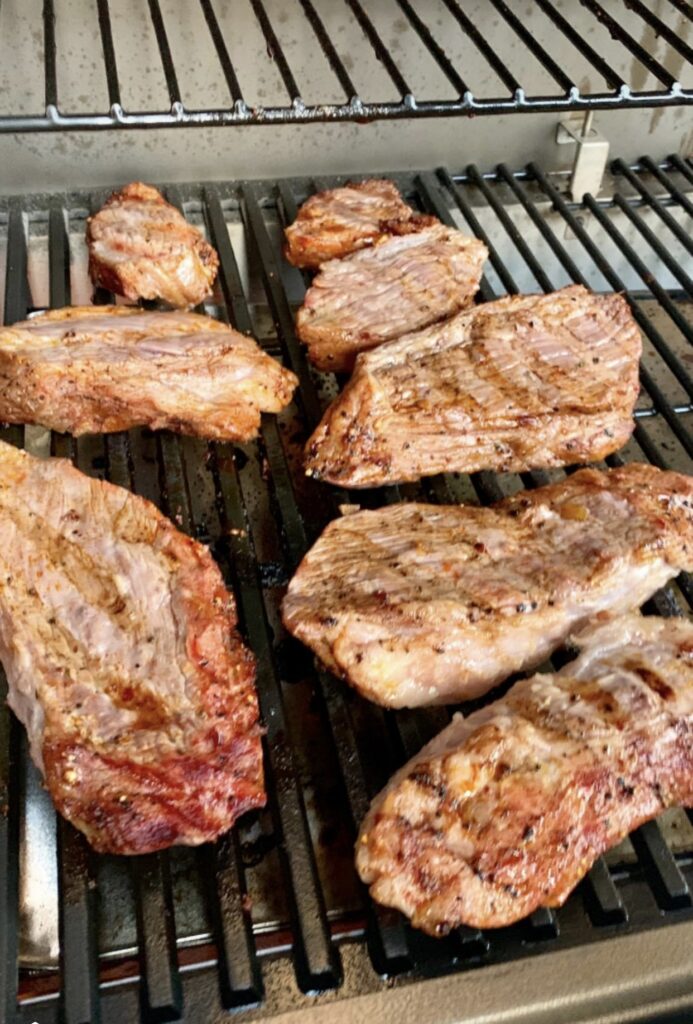
Outdoor cooking remains one of the most enduring Fourth of July traditions. The aroma of food on the grill, conversations among friends, and the casual pace of the day help create an experience that feels both familiar and special.
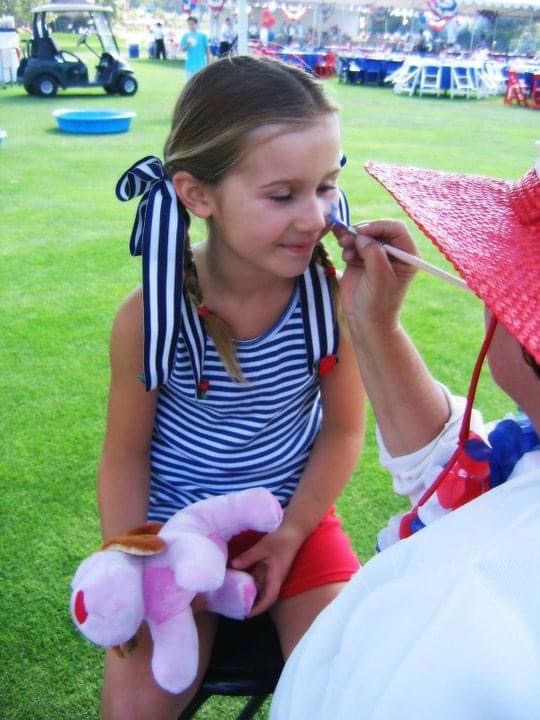
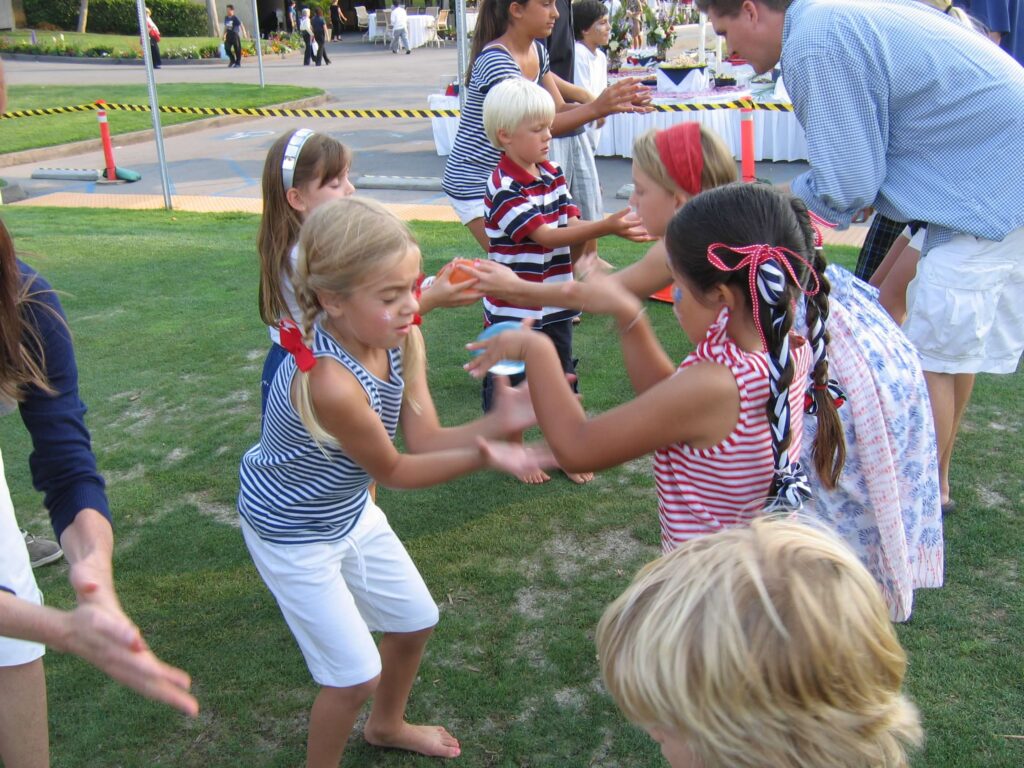
For children, holidays are often remembered through activities and experiences. Face painting, games, and simple outdoor fun provide opportunities for creativity, laughter, and lasting memories.
While decorations and food help set the scene, the most meaningful moments often come from spending time together. Shared activities encourage connection across generations and become the traditions families look forward to year after year.
Perhaps the most treasured part of any holiday celebration is the opportunity to bring multiple generations together. Grandparents, parents, children, and friends each contribute to the stories and traditions that become part of a family’s history.
As the years pass, celebrations naturally evolve, but the heart of the holiday often remains the same: gathering with loved ones, sharing a meal, and creating memories that will be remembered long after the decorations have been packed away.
The most meaningful celebrations are rarely the most elaborate. They are the ones that bring people together, creating memories that become traditions and traditions that become treasured stories.